Gardening in Chalky Soil UK 2026: What Grows Best & How to Fix It
Chalky soil is one of the most common soil types in southern and central England — and one of the most misunderstood. Yes, it is alkaline (typically pH 7.5–8.5), fast-draining, and lower in certain nutrients. But it is far from useless. Many of the UK’s most beautiful garden plants thrive in chalky, alkaline conditions — from lavender and clematis to buddleia and foxgloves. The problems arise when gardeners try to grow acid-loving plants directly in chalk without preparation. This guide covers what to grow, what to avoid, and the most practical steps to improve your chalky soil for 2026.
Some of the links below are affiliate links: if you buy through them we may earn a small commission at no extra cost to you. As an Amazon Associate I earn from qualifying purchases. We only suggest things we would recommend to a friend — see our affiliate disclosure and how we research.
✉ Join the Dispatch — a calm weekly note, every Thursday. Free.
Is My Soil Chalky? Signs to Look For
- White or pale grey lumps or fragments appear when you dig — chalk or limestone pieces.
- Soil fizzes or effervesces when a little white vinegar is applied.
- Water drains very quickly after rain — puddles rarely form and the topsoil dries fast.
- Pale or whitish soil colour, often with a very thin topsoil layer over chalk bedrock.
- Acid-loving plants (rhododendrons, heathers) look yellow and stunted.
- A pH test kit confirms it — chalky soils typically read pH 7.5 or above.
Browse soil pH test kits on Amazon UK →
Plants That Thrive in Chalky Soil
The following plants are well suited to alkaline, chalky conditions and are highly recommended by UK gardeners growing in chalk-heavy areas:
- Lavender — thrives in free-draining, alkaline soil in full sun. One of the most reliable plants for chalk gardens across the UK.
- Buddleia (Butterfly Bush) — extremely tolerant of chalk; fast-growing and produces striking flower spikes that attract butterflies and pollinators.
- Clematis — one of the best climbers for chalky soils. Prefers roots in shade and flowers in sun; most varieties thrive in alkaline conditions.
- Foxgloves (Digitalis) — native British plant that self-seeds freely and does well in chalky or limey soils, especially in partial shade.
- Hawthorn — one of the most chalk-tolerant native trees and hedging plants; excellent for wildlife, screening, and boundary planting.
- Spinach — leafy vegetable that benefits from the calcium-rich, slightly alkaline conditions chalk provides. Crops well with adequate watering.
- Brassicas (cabbage, kale, broccoli, Brussels sprouts) — brassicas actively prefer alkaline soil. The calcium content of chalk also reduces the risk of clubroot disease.
Plants That Struggle in Chalky Soil
These acid-loving plants (known as ericaceous plants) require a pH of 4.5–6.0 and will turn yellow and fail to thrive in chalky ground. However, you can still grow them successfully in containers filled with ericaceous compost:
- Rhododendrons — need pH 4.5–6.0. Will develop iron chlorosis (yellowing leaves) in chalky soil. Grow in large pots with ericaceous (acid) compost.
- Azaleas — similar requirements to rhododendrons. Spectacular in containers but will not thrive in open chalky ground.
- Blueberries — need pH 4.5–5.5 for fruit production. Essentially impossible to crop well directly in chalk. Containers with ericaceous compost are the only practical solution.
- Heathers (Calluna / most Erica) — most heather varieties need acidic conditions. Winter-flowering Erica carnea tolerates slightly alkaline soil, but other varieties will fail.
Westland Ericaceous Compost on Amazon UK →
How to Improve Chalky Soil: 4 Practical Steps
You will not eliminate chalk from your soil, but these four steps can significantly improve it for a wider range of plants:
- Step 1: Test your soil pH first
Before adding any amendments, confirm your pH reading with a soil test kit. This tells you exactly how alkaline your soil is and how much amendment is needed. A basic test kit takes under five minutes and is well worth doing each year as your soil changes.
Soil pH test kits on Amazon UK →
- Step 2: Add organic matter generously
Well-rotted manure or garden compost improves chalky soil’s water retention, adds nutrients, and gradually lowers pH over time with repeated applications. Apply 5–10 cm of organic matter to borders each autumn and dig it in. For ongoing compost supply, see our guide to the best compost bins for UK gardens.
Westland Soil Improver on Amazon UK →
- Step 3: Use sulphur chips to lower pH
Sulphur chips are one of the most reliable ways to lower soil pH in a chalky border. Results are gradual — allow several months — but effective. Apply in autumn, then retest pH in spring before planting. Do not over-apply; always follow pack instructions.
Vitax Sulphur Chips on Amazon UK →
- Step 4: Consider raised beds
For maximum flexibility — including growing acid-loving plants and vegetables that struggle in chalk — raised beds filled with quality topsoil or compost are the simplest solution. Raised beds sit entirely above your chalky ground, giving you full control over soil conditions regardless of what is underneath.
Browse Galvanised Raised Bed Kits on Amazon UK →
Frequently Asked Questions
What pH is chalky soil?
Chalky soil typically registers pH 7.5–8.5. Over pure chalk bedrock — common in parts of Kent, the South Downs, Lincolnshire, and the Yorkshire Wolds — it can be even higher. Neutral soil is pH 7.0; anything above this is alkaline. A soil pH test kit will confirm your reading in minutes.
Can you grow vegetables in chalky soil UK?
Yes — a number of vegetables do well in chalky, alkaline conditions. Brassicas (cabbage, kale, broccoli, cauliflower, Brussels sprouts) are particularly well suited, as are spinach, leeks, and asparagus. Root vegetables such as carrots and parsnips can struggle in stony chalk soil — raised beds or well-improved borders are better for them.
What plants grow best in chalky soil UK?
Lavender, buddleia, clematis, foxgloves, hawthorn, and most brassicas (cabbage, kale, broccoli) are well suited to chalky, alkaline UK soil. Many ornamental shrubs also thrive — including lilac, viburnum, and beech, which are all naturally found on chalky downland.
How do I know if I have chalky soil?
Look for white or pale grey lumps when digging, soil that fizzes when vinegar is applied, and very fast drainage after rain. A pale or whitish soil colour is another indicator. Confirm with a soil pH test kit — chalky soils typically read pH 7.5 or above.
Can I grow blueberries in chalky soil UK?
Not directly in the ground — blueberries need a soil pH of 4.5–5.5 and will not produce fruit in chalky conditions. The practical solution is to grow them in large containers (minimum 40 cm diameter) filled with ericaceous compost. Water with collected rainwater rather than tap water, which is often alkaline in chalk areas.
How do I improve chalky soil UK?
Add generous quantities of organic matter (well-rotted manure or garden compost) each autumn, use sulphur chips to gradually lower pH in planted borders, and consider raised beds for maximum control. Test your pH first to understand how much amendment is needed before planting.
📋 From the D&L Shop: Planning your growing year? Our Your First Year on the Allotment guide covers every month from clearing the plot to your first proper harvest — written from 15+ years of UK growing experience. £9.99, instant PDF download. Also useful: the Allotment Plot Planner (£4.99) for mapping beds and planning crop rotation. Browse the full shop →
You might also find our guide to Winter Composting Tips for Chalky Soil useful.
You might also find our guide to Compost and Soil Preparation in Spring (UK): What to Add and When useful.
Quick Picks

Garden Tutor Soil pH Test Kit (3.5-9 Range) | 100 Soil pH Test Strips
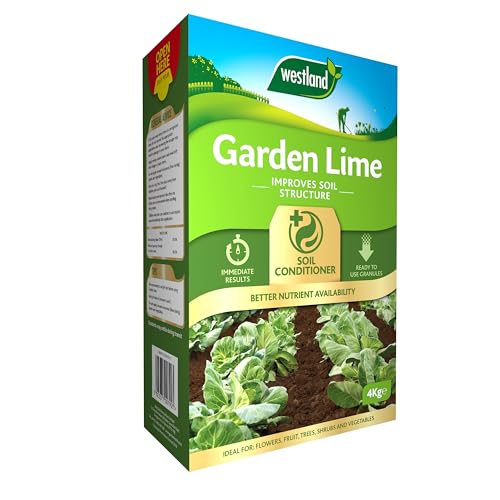
Westland Lime Soil Conditioner, Natural, 4 kg

Elixir Gardens Sulphur Chips Pastilles Soil Acidity Fertiliser | Granular Alkaline Soil Amendment & Booster for Acidic & Ericaceous Plants | 1kg Bag
Sources
Soil-chemistry guidance and plant suitability for chalk follow RHS guidance on chalky soils; soil-improvement advice follows RHS composting guidance.
🛡 Our standards: How we research · Editorial policy · Affiliate disclosure · Corrections

About Gareth
Gareth Isherwood is the editor of Danbury & Lovejoy. He has baked bread at home for 25+ years and has 15 years of growing experience across gardens, containers and other growing spaces, including an East Sussex allotment for the past three years. Read his full story →
Was this useful?