Container growing suits a particular kind of British life — terraced houses with small back yards, rented gardens you don’t want to dig up, balconies, paved courtyards, or anyone who wants to start small and see how it goes. You don’t need an allotment or a large garden to grow food that actually reaches your plate. You need the right plants, the right pots, and a reliable watering habit.
I’ve grown in containers at home for years alongside my allotment, and I’ve found it’s a genuinely different kind of growing — more controlled, more intensive, and in some ways more forgiving because you’re not dealing with whatever your plot soil happens to be. My chalk allotment drains fast and needs constant organic matter; in a container I can give each crop exactly what it wants. The lessons I’ve learned mostly came from getting the pot size wrong at first and learning the hard way about watering consistency.
Some of the links below are affiliate links: if you buy through them we may earn a small commission at no extra cost to you. As an Amazon Associate I earn from qualifying purchases. We only suggest things we would recommend to a friend — see our affiliate disclosure and how we research.
✉ Join the Dispatch — a calm weekly note, every Thursday. Free.
The best crops for containers
Not every vegetable suits container life. Root crops need depth, brassicas need space, and some things simply don’t perform as well when confined. But many crops thrive in containers — often better than they would in open ground, because you can control the soil quality precisely.
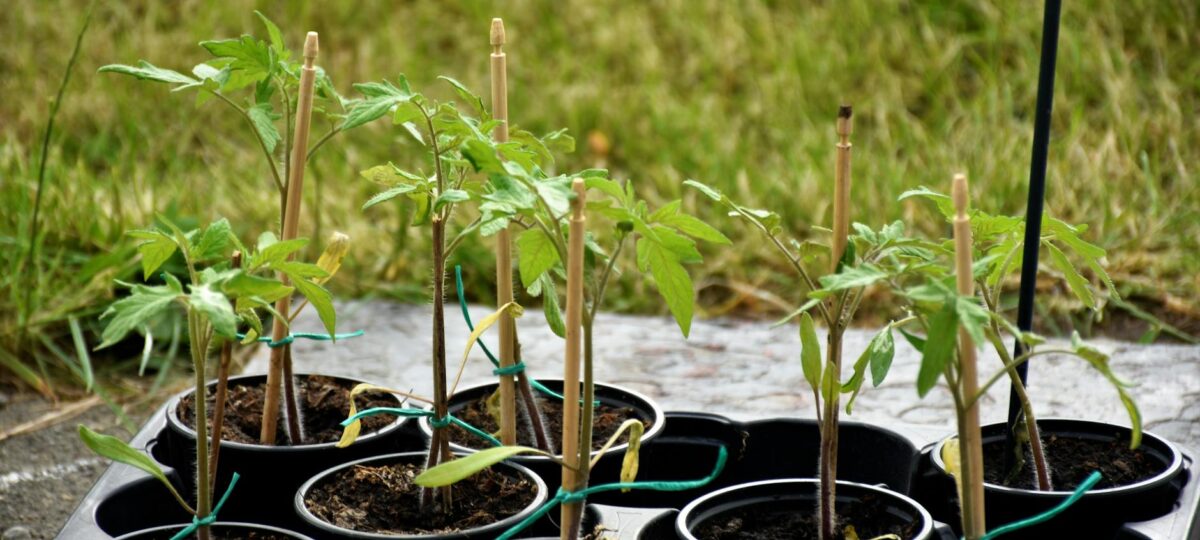
Tomatoes are the classic container crop. Bush and trailing varieties like Tumbling Tom or Hundreds and Thousands are ideal for pots and hanging baskets, requiring no pinching out. Cordon varieties like Gardener’s Delight work well in large containers or grow bags but need a cane and regular side-shoot removal. Gardener’s Delight does well in 30-litre pots — it’s reliable, prolific, and the flavour is excellent.
Lettuce and salad leaves are arguably the best container crop going. They’re quick, productive, and cut-and-come-again varieties give you weeks of leaves from a single sowing. A 30cm pot or window box will produce enough for regular salads. Sow every three weeks for continuous picking. I use the space between larger containers to fit in a small salad pot — it makes good use of gaps and the harvests are almost instant.
Herbs are natural container residents. Mint especially needs to be contained — it will take over any bed it’s planted in. Chives, parsley, thyme, and basil in summer all do well in smaller pots and are genuinely useful in an everyday kitchen. See: Grow Your Own Herbs: the beginner’s guide.
French beans grow surprisingly well in large containers — they’re compact, prolific, and pick over several weeks. Dwarf varieties are the most suitable. I’ve grown Tendergreen in a 20-litre pot with good results.
Courgettes need a big container (at least 40–50 litres) but produce generously. One plant per container, and be prepared to water every day in warm weather. The courgette in a pot is not a low-maintenance crop, but if you’re willing to keep up with it, the yield is excellent.
Radishes are ready in four to five weeks and can be squeezed into any spare container space as a quick early-season win.
Choosing containers: size matters more than looks
The single most common container gardening mistake is using pots that are too small. A tomato plant in a 10-litre pot will struggle; in a 25–30 litre container it will thrive. As a general rule: salad leaves and herbs need 5–10 litres minimum; French beans and compact vegetables need 15–20 litres; tomatoes, courgettes and squash need 25–40 litres or a large grow bag. I spent my first container-growing season puzzled by poor tomato harvests before I realised the 15-litre pots I was using were simply too small — the plants ran out of root space and nutrients by July.
Material matters less than drainage. Whatever container you use, it must have drainage holes. Waterlogged roots kill container plants faster than anything else. If using decorative pots without drainage, either drill holes or use them as outer sleeves with a drilled plastic inner pot inside.
Compost and feeding
Use good-quality multipurpose compost for containers — not seed compost, which lacks nutrients, and not garden soil, which compacts and drains poorly. Some people add perlite or horticultural grit to improve drainage, particularly for herbs and Mediterranean plants. If you make your own compost, sieving some into the mix gives a richer result.
Container plants exhaust the nutrients in their compost relatively quickly. Once plants are established and growing, start feeding every week or two with a balanced liquid fertiliser, switching to a high-potash feed (tomato fertiliser) once flowers appear on fruiting plants. This is where a lot of container growers go wrong in mid-season — the plants look fine but the yields drop because no one’s been feeding them.
Watering: the most important habit
More container plants fail through inconsistent watering than any other cause. Containers dry out quickly, especially in warm weather and in terracotta pots which are porous. In spring, check daily; in summer, particularly for large fruiting plants, you may need to water twice a day.
Push your finger into the compost — if it’s dry 2cm down, water thoroughly until it drains from the bottom. In hot East Sussex summers (and they can be very dry on the coast), I water my patio containers first thing in the morning and again in the evening for anything carrying fruit.
Inconsistent watering causes specific problems in tomatoes: blossom end rot and split fruit both result from irregular moisture. Steady, consistent watering is more important than frequent watering. A self-watering pot or reservoir system genuinely helps if you’re away regularly or have a lot of containers to manage.
Flowers in pots: pollinator-friendly options
A few flower pots among the veg containers are worth having — they attract beneficial insects that help with pollination, and they look good. Calendula, nasturtiums, cornflowers and sweet alyssum all grow happily in containers and actively benefit the rest of your growing space. Nasturtiums in particular are almost indestructible and will trail attractively over the edge of a pot while keeping aphids occupied (they’re a sacrifice crop as much as a flower).
Useful picks
Thompson & Morgan have a good range of seeds and plug plants suited to container growing, including compact tomato varieties, cut-and-come-again salad collections, and dwarf French beans. Their plug plant service is worth considering if you’re starting late in the season or don’t have propagation space.
Browse container-suitable tomatoes at Thompson & Morgan →
Some links in this guide are affiliate links. If you buy through them we may earn a small commission, at no extra cost to you.
What I’ve actually learned from container growing
Get the pot size right and get the watering habit right — everything else is secondary. A large pot with good compost and consistent watering will outperform a small pot given every other advantage. Feed from midsummer onwards or yields will disappoint. And if in doubt, go bigger on the container: I’ve never once wished I’d used a smaller pot.
📋 From the D&L Shop: Planning your growing year? Our Your First Year on the Allotment guide covers every month from clearing the plot to your first proper harvest — written from 15+ years of UK growing experience. £9.99, instant PDF download. Also useful: the Allotment Plot Planner (£4.99) for mapping beds and planning crop rotation. Browse the full shop →
🛡 Our standards: How we research · Editorial policy · Affiliate disclosure · Corrections · Last reviewed: August 2026

About Gareth
Gareth Isherwood is the editor of Danbury & Lovejoy. He has baked bread at home for 25+ years and has 15 years of growing experience across gardens, containers and other growing spaces, including an East Sussex allotment for the past three years. Read his full story →
Was this useful?