

Some of the links below are affiliate links: if you buy through them we may earn a small commission at no extra cost to you. As an Amazon Associate I earn from qualifying purchases. We only suggest things we would recommend to a friend — see our affiliate disclosure and how we research.
✉ Join the Dispatch — a calm weekly note, every Thursday. Free.
There’s a stretch in late May where the weather can’t make up its mind — bright mornings, cool evenings, and the cooking has to bend with it. This is the supper I come back to in that in-between week: one tin, four cheap ingredients, in the oven for an hour while you do something else. It isn’t glamorous and it doesn’t pretend to be — just leeks and potatoes and bacon, roasted hot enough to crisp the lardons and caramelise the edges of the leeks, with the option of a handful of mature cheddar at the end if there’s any in the fridge.
What makes it work is the size of the tin. Spread thin in a deep, wide roasting tray, the leeks colour properly instead of steaming, the potatoes pick up edges, and the bacon renders into the bottom of the pan and crisps everything underneath it. Crowded into a small dish, it slumps into a wet mess. Use the biggest tin you can fit on a shelf and it’ll come out of the oven looking like you meant it.
When I cooked it again on 7 October to photograph it, the potatoes needed longer than the old method gave them, so they now go in first for a 20-minute head start, and the leeks and bacon join them for the last 40 minutes. It’s a good use for a glut of leeks; with shop-bought ones, just be careful trimming the tough green tops. A 200g pack of smoked bacon lardons does the meat-bit, 500g of small new potatoes do the carb, three leeks do the green, and that’s the dish.
Kit for the kitchen
Nothing here is essential — you can get away with whatever’s already in the cupboard — but if you’re in the market, these are the two that earn their keep.
- Amazon Basics Non-Stick Baking Tray — the roasting essential. Deep enough to hold the bacon fat without it bubbling over, big enough to spread the leeks in a single layer. Around £9 and lasts properly.
- Maldon Sea Salt Flakes — for finishing. A few flakes scattered over the tin before it goes to the table is what makes the difference between fine and properly good.

Amazon Basics Baking Tray, Non-Stick Baking Pan for Cakes, Brownies, Traybakes, Rectangular, Carbon Steel, Oven and Dishwasher Safe, 33.0 x 22.8 cm
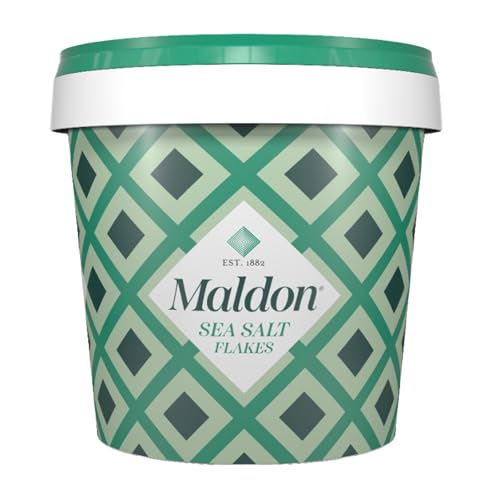
Maldon - Sea Salt Flakes, Unique Pyramid Shaped Salt Flakes, Perfect for a Wide Range of Dishes, Hand-Harvested for Four Generations, 570g Tub
As an Amazon Associate I earn from qualifying purchases. This doesn’t affect the price you pay.


Leek, Potato & Bacon Traybake
One pan, four cheap ingredients, an hour in the oven — the easy weeknight supper for the in-between weather.
Ingredients
- Leeks (trimmed weight), sliced into thick rounds & rinsed3 / ~600 g
- Small new potatoes, halved (quarter the larger ones)500 g
- Smoked bacon lardons200 g
- Olive oil2 tbsp
- Mature cheddar, grated (optional)50 g
- Sea salt & black pepperto taste
Method
- Heat the oven to 200°C / 180°C fan / gas 6.
- Halve the new potatoes — quarter the larger ones. Toss them in a large roasting tin with 1 tbsp of the oil and some black pepper, spread out, and roast for 20 minutes on their own.
- Meanwhile, trim and slice the leeks into thick rounds (about 2 cm), rinse out any grit between the layers, and shake them as dry as you can.
- Add the leeks, bacon lardons and the rest of the oil to the tin. More black pepper (go easy on the salt — the bacon brings plenty), toss and spread out.
- Roast for 20 minutes, undisturbed.
- Give it a stir and return to the oven for another 20 minutes — until the potatoes are golden and tender and the bacon and leek edges are dark and crisp.
- If using cheese, scatter the grated cheddar over the lot in the last 5 minutes. Return to the oven until melted and bubbling.
- Bring the tin straight to the table. Finish with a few flakes of sea salt and a grind of black pepper.
Two Things Worth Knowing
Don’t crowd the tin. This is the only rule that really matters for a traybake. The leeks and potatoes need room to colour against a hot surface — piled up, they steam in their own moisture and come out pale and floppy. If your tin’s borderline, do it in two and swap shelves halfway. The difference between properly roasted and merely cooked is significant, and entirely down to how much air the vegetables have around them.
Let the bacon do the seasoning. A 200g pack of smoked lardons brings a surprising amount of salt of its own. If you season generously at the start, you’ll end up with something inedibly salty by the time the bacon has rendered down. Pepper at the start, taste before you add salt to the finished tin, and reserve any Maldon flakes for the final flourish at the table.
Variations
Make it Spanish-leaning. Swap the bacon lardons for cooking chorizo, cut into thick chunks. The paprika-coloured oil it releases stains the potatoes a proper orange, and you can skip the cheese entirely. Add a tin of butter beans (drained) in the last 15 minutes for some softness.
Add tomatoes. Halve a punnet of cherry tomatoes and tip them in for the last 15 minutes — they’ll burst and add some sweetness against the salty bacon. Particularly good if the leeks are on the bigger, milder side.
Make it vegetarian. Swap the bacon for a drained tin of butter beans, add a generous tablespoon of smoked paprika to the olive oil before tossing, and finish with a soft-boiled egg per person on top. Different dish, same in-between-weather mood.
Cost Per Serving
Based on current UK supermarket prices: leeks around £1.50 for three, new potatoes around £1.00 for 500g, smoked lardons around £2.20 for a 200g pack, and olive oil and seasoning from the cupboard. With the optional cheese, the whole tin comes in around £5.70 for four, or just under £1.45 per head. Closer to £1.20 a head without the cheese. Cheaper than a supermarket ready meal and considerably better.
Last reviewed: October 2026
A sharp chef’s knife makes the leeks much less of a job — our kitchen knife picks for everyday cooking covers what to look for. And if you want more in-season suppers for this stretch of May, what to cook in May has a fortnight’s worth.
🛡 Our standards: How we research · Editorial policy · Affiliate disclosure · Corrections · Last reviewed: October 2026

About Gareth
Gareth Isherwood is the editor of Danbury & Lovejoy. He has baked bread at home for 25+ years and has 15 years of growing experience across gardens, containers and other growing spaces, including an East Sussex allotment for the past three years. Read his full story →
Was this useful?