The instinct in British winter is to stay in. The mornings are dark, the afternoons end at four, the weather is cold and wet and uninviting, and the sofa is warm. This instinct is understandable, and for a day or two at a time it’s perfectly sensible. But as a pattern across October through March, it’s one of the less good things you can do for yourself — because going outside in winter is one of the most effective interventions for mood, energy, and the seasonal low that affects so many people in the UK.
The difficulty is real. Here’s how to address it practically.
Why It Matters More in Winter
Natural daylight is the primary signal that sets your circadian rhythm. In winter, UK sunrise can be as late as 8:30am, which means many people commute to work or start their day in darkness. Without a clear morning light signal, the circadian rhythm drifts — melatonin production extends into the morning, serotonin production is lower, and the result is the fatigue, low mood, and difficulty concentrating that characterises the “winter blues.”
Getting outside in the morning — even for 15 minutes — delivers a light signal to the brain that anchors the circadian rhythm. Even an overcast British winter day usually delivers somewhere between 1,000 and 10,000 lux. Indoor environments typically deliver 200–500 lux. The difference in effect on the biological clock is significant. No indoor light, however bright, fully replicates this — though a 10,000 lux light therapy lamp comes reasonably close.
The Kit Question
The single biggest barrier to getting outside in winter is discomfort. Cold is manageable with the right layers; wet is manageable with the right outerwear; dark is manageable with the right timing. The problem is usually that people try to go outside in the same clothes they wear in summer, find it unpleasant, and stop.
The Scandinavian approach — there is no bad weather, only bad clothing — is more or less right. A few items make winter outdoor time qualitatively different:
- A genuinely waterproof jacket — not water-resistant, actually waterproof. This is the single most important item. A wet upper body makes everything else irrelevant.
- Waterproof trousers or overpants — underrated, especially for anything longer than a short walk
- Warm gloves — cold hands are one of the main reasons people cut walks short. Proper insulated gloves rather than fashion gloves.
- A warm hat — any uncovered skin loses heat in the cold, and a simple beanie makes a noticeable difference to how warm you feel
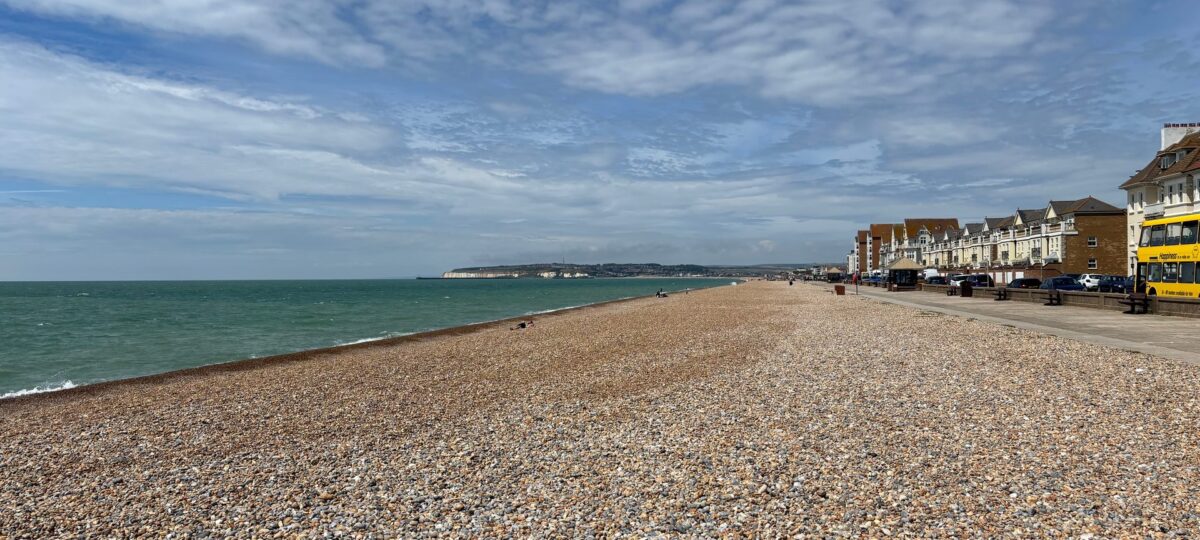
- Waterproof footwear — wet feet are miserable. Either waterproof walking shoes or wellies for muddy ground. I walk the coastal paths near home, which is also why my hallway gets muddy in winter.
The layering principle — base layer (moisture-wicking), mid layer (insulating), outer layer (waterproof) — works for most UK winter conditions. You don’t need specialist kit; you need kit that does the job.
Timing: Making the Most of Available Light
In mid-winter, the UK has roughly seven to eight hours of daylight in most areas. Getting outside during the brightest part of that window — late morning to early afternoon — maximises the light exposure that supports mood and circadian rhythm. A lunchtime walk, even 20 minutes, is more valuable for mood than an evening walk after dark.
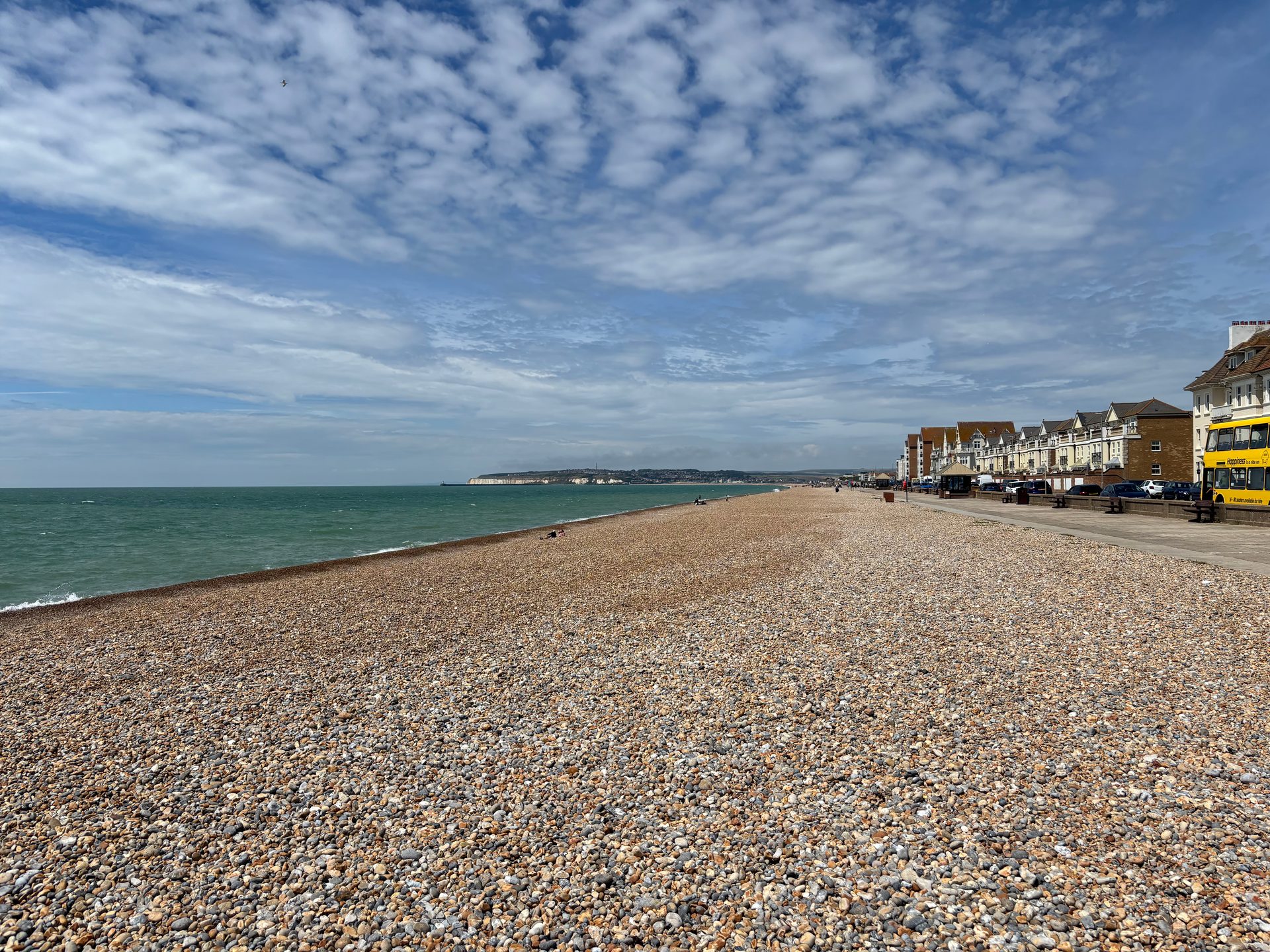
If your schedule doesn’t allow a daytime walk on working days, the morning remains the most beneficial window — even if it’s dark. Cold dark air, movement, and the brief light of dawn if you’re lucky is still better than no outdoor time, and the movement itself has mood-lifting effects regardless of light levels.
Making It Something You Look Forward To
Getting outside in winter is much easier when it’s attached to something pleasurable rather than endured as a health obligation. A few things that help:
- A specific destination or route — a favourite park, a canal towpath, a route with a good view. Having a place to go makes going more likely than “I should walk somewhere.”
- Something to listen to — a podcast, an audiobook, or music that you look forward to. Reserving something specifically for outdoor walks makes the walk itself more appealing.
- Good coffee to take — a small thing, but a warm drink in a good flask makes a cold walk significantly more enjoyable
- Company — walking with a friend, partner, or dog changes the character of a walk from exercise to something more like leisure
What You’re Actually Doing
Getting outside in winter is light therapy, exercise, and change of scene in one package. It’s one of the most effective things you can do for your mood and energy in the months when both are most likely to be low, and it requires no appointment, no equipment beyond decent clothing, and no particular expertise. The main thing it requires is the decision to do it before you feel like it — because the feeling like it tends to come after, not before.
For more on the seasonal wellbeing picture, browse the Wellbeing hub — including our pieces on morning light and routine, and sleeping better in winter.
Last reviewed: July 2026
🏠 From the D&L Shop: Making your home warmer this winter? Our Winter Home Survival Guide covers heating, draught-proofing, condensation, energy bills, and keeping comfortable through the cold months — 11 pages, £8.99. Also free: the Sunday Reset Checklist (a calm weekly home reset, instant download). Browse the full shop →
🛡 Our standards: How we research · Editorial policy · Affiliate disclosure · Corrections · Last reviewed: July 2026

About Gareth
Gareth Isherwood is the editor of Danbury & Lovejoy. He has baked bread at home for 25+ years and has 15 years of growing experience across gardens, containers and other growing spaces, including an East Sussex allotment for the past three years. Read his full story →
Was this useful?