
Home Style
A well-layered bed does more than look inviting — it’s the easiest way to stay properly warm in a British bedroom without turning the heating up. Here’s how to build it, layer by layer.
In a hurry? Here’s the short version:
Some of the links below are affiliate links: if you buy through them we may earn a small commission at no extra cost to you. As an Amazon Associate I earn from qualifying purchases. We only suggest things we would recommend to a friend — see our affiliate disclosure and how we research.
✉ Join the Dispatch — a calm weekly note, every Thursday. Free.
- Start with a fitted sheet in a breathable natural fibre — consider brushed cotton for cold bedrooms
- Add a flat sheet or lightweight blanket underneath your duvet for a useful adjustment layer
- Choose 10.5–13.5 tog for most of the year in a British bedroom; err toward the lower end and add a blanket rather than going heavier
- Fold a throw at the foot of the bed — both decorative and genuinely functional
- Add three to five cushions in mixed sizes and complementary textures
- Keep the palette calm: cream, sage, warm white, dusty rose, or woodland tones
If you are looking for the right throw, we have reviewed and picked out the best throws and blankets for UK homes. For the practical side of keeping your bedroom warm, our heating schedule guide covers the heating side.
Bedroom Layering Guide
Affiliate links — we may earn a small commission at no extra cost to you.
Quick Picks
Electric heated throw or blanket — The easiest way to add targeted warmth without turning up the heating. I read in bed under mine.
Cotton or wool throw, 130x170cm+ — Folded at the foot of the bed. Adds texture, colour, and an extra layer of warmth on cold nights. Large enough to actually wrap around yourself.
10.5–13.5 tog all-seasons duvet — The right tog for most British bedrooms year-round. Natural fill (feather/down or wool) for breathability. A 10.5 tog plus a wool blanket underneath is more adjustable than one thicker duvet, and no warmer overall.
The Foundation: Your Base Layer
Every beautifully layered bedroom starts at the bottom. A fitted sheet in 100% cotton percale or soft jersey is the foundation you don’t see but absolutely feel. If your bedroom runs cold — as so many British bedrooms do between October and April — consider a brushed cotton or flannelette fitted sheet.
The difference is remarkable, particularly on the first night of switching. Brushed cotton has an immediate warmth to the touch that standard percale cotton simply doesn’t, even when both are at the same room temperature. It feels warm the moment you get in, rather than requiring a few minutes for the bedding to warm up from your body heat. In a bedroom that loses heat quickly after sunset, this can make a real difference to how quickly it feels settled for the night. We go into more detail on duvets and toppers in our winter bedding guide.
The flat sheet, often dismissed as unnecessary, is one of the layering tools that separates a considered bedroom from a functional one. Used underneath your duvet, it extends the life of your duvet cover, softens the transition between body heat and insulation, and gives you something to adjust without disturbing the whole duvet.
The Middle Layer: Duvet and Blanket
In a British bedroom, you need a duvet that can do something in February and not roast you in September. A 10.5 tog is the workhorse of the year-round bed, paired with a blanket you can add or take away. Layering beats one heavy duvet: you can adjust through the night by moving the blanket rather than kicking off the whole thing.
The middle layer — a lightweight cotton or wool blanket between flat sheet and duvet — does several things at once: it adds visual depth when the duvet is turned back; it gives you something to grab at 3am when you’ve pushed the duvet off; and it adds that slightly rumpled, lived-in quality that makes a bedroom feel genuinely inviting rather than staged.
For breathability in coastal homes where humidity tends to be higher (it took buying a hygrometer for me to see that my own bedroom was hitting 74% overnight in winter), wool or cotton fill in the duvet is worth the premium over synthetic — wool especially regulates well in damp air. See: Winter bedding (UK): how to choose layers.
The base layer matters more than people think — see our linen bedding round-up for the sets that get softer with washing rather than worse.
The Top Layer: The Art of the Throw
The throw is where most people take a shortcut, and it shows. A thin polyester throw draped carelessly doesn’t achieve what a well-chosen one does: warmth you can actually use, visual weight, and that quality of abundance that makes a room feel generous rather than assembled.
Look for a throw that’s at least 130cm x 180cm — large enough to wrap around yourself on a Sunday morning without compromise. Natural fibres are worth the investment: a cotton blanket washes and softens beautifully over years; a lambswool throw develops a gentle patina. For the fold, a simple horizontal fold across the lower third of the bed looks more intentional than a diagonal drape.
In a bedroom with plain bedding, a throw with some pattern — a classic stripe, a botanical weave, a heritage check — does the work of anchoring the room visually. In a bedroom with busier bedding, a plain throw in a complementary colour is better.
The Finishing Layer: Cushions Done Properly
Cushions earn their place when they’re chosen with some thought. Odd numbers look more natural. Three is the practical minimum; five gives real abundance without sliding into excess. Vary the sizes: two large square cushions at the back, two standard pillowcases in the middle, and one smaller accent cushion at the front works well on a double or king-size bed.
The William Morris principle applies here: have nothing in your bedroom that you do not know to be useful or believe to be beautiful. A cushion that does both — beautiful fabric, removable cover for washing — earns its spot.
Cushion picks
William Morris Strawberry Thief Cushion, Crimson (Bedeck Home, £60) — A piece that ages excellently, working with cream, sage, or dark linen bedding. Pattern that earns its cost by being genuinely beautiful.
Amber Finn 100% Cotton Quilted Cushion Cover, Blush (Secret Linen, £35) — Softer in mood — ideal if your palette leans warmer. Good with cream or oatmeal linen.
Beetroot Big Waffle Cotton Cushion Cover (Secret Linen, £19) — Good texture at a reasonable price. The waffle weave works well as an accent against smoother fabrics.
Bringing It Together: Colour and Texture
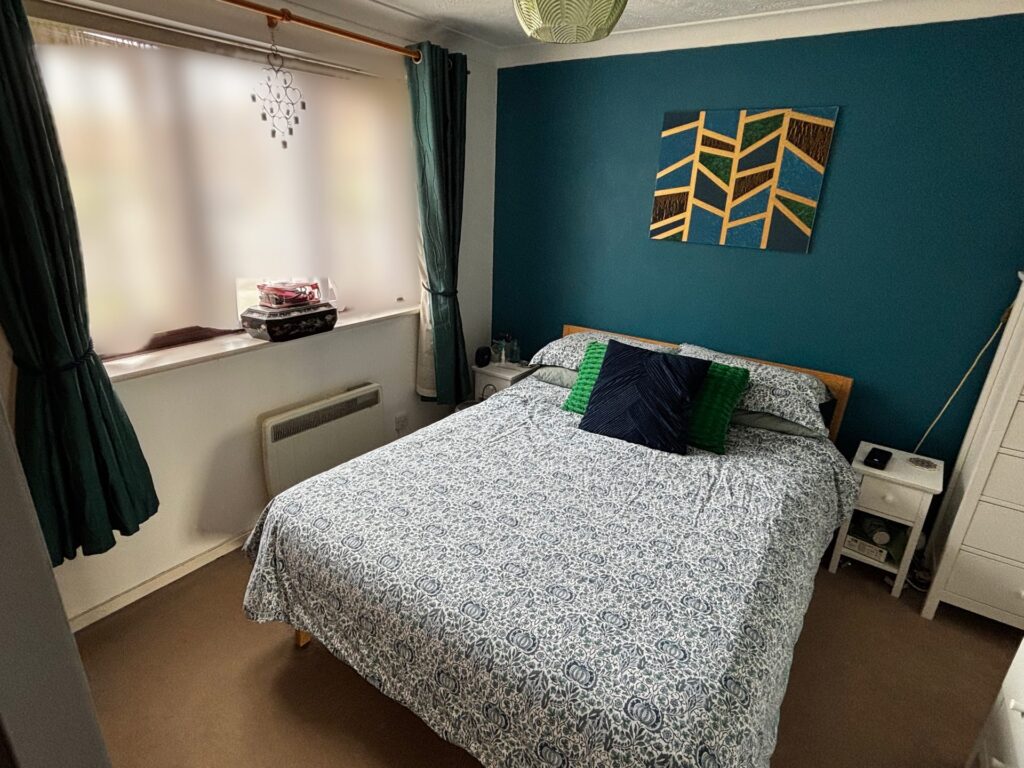
Resist the urge to match everything. A bedroom that looks too coordinated feels like a showroom. The goal is coherence, not uniformity. Choose a base palette — two to three colours — and then introduce pattern through cushions and throws rather than your main bedding.
For a British home in early spring:
- Cream or warm white bedding as your base
- A cotton blanket in dusty sage or soft moss
- A patterned throw that pulls in warm brown or rose tones
- Cushions in mixed textures: quilted cotton, waffle weave, embroidered linen
This is the slow-living approach to a bedroom: bought less often, chosen better, and genuinely enjoyed every morning when you walk through the door. The room should feel considered without feeling like it was assembled to a brief.
Start with the Base Layer
Good layering starts with good sheets. Bedeck Home offers quality cotton and linen bed linen that feels noticeably better than high-street alternatives — the kind of difference you feel the first night. Their fitted sheet and duvet cover sets are a solid place to begin.
The layering principle
The difference between a functional bedroom and a properly layered one comes down to adjustability. A single very thick duvet is either warm or not. A system of a fitted sheet, flat sheet, mid-weight duvet, blanket, and throw gives you six ways to adjust comfort through the night and across the seasons — without buying a different duvet for summer and winter. Build the layers once, maintain them, and the bedroom pays dividends every night.
Caring for Your Layers
Wash duvets once or twice a year, most practically at a seasonal changeover: check the care label first, since a modern duvet is usually machine-washable at home, but an older feather-filled one may need professional cleaning, and anything bulky may need a laundrette with a large-capacity machine. Wash pillows every two to three months rather than waiting until they look tired; regular washing actually extends how long they stay comfortable. Throws and lighter blankets do better aired in the fresh air than washed every time.
Never put a duvet or blanket away for storage while it’s even slightly damp: it will come out smelling musty, and can develop mould. Vacuum storage bags compress a bulky duvet to a fraction of its size; breathable cotton bags or pillowcases suit anything stored for months, such as a wool blanket or a down duvet.
FAQ
How many layers should a bedroom have?
Four to five: fitted sheet, flat sheet or thin blanket, duvet, folded throw, and cushions. Each layer adds warmth and visual depth. The middle blanket layer is the one most people miss — it’s also the most useful for night-time adjustments.
What is the best throw for layering a bed?
A cotton or lambswool throw in a neutral or heritage pattern — large enough to actually wrap around you. Aim for at least 130 x 180cm. Avoid polyester; it looks and feels thin in a layered bed context.
How do I make my bedroom look more cosy without spending much?
Rearrange your existing cushions in odd numbers, fold a throw at the foot of the bed, and switch your lighting to a warm bulb below 2700K or add a lamp on a timer. These cost nothing or very little and make a noticeable difference immediately.
What bedding is best for a cold British bedroom?
A 10.5 to 13.5 tog duvet paired with a lambswool or cotton blanket underneath gives flexible warmth. A brushed cotton or flannelette fitted sheet adds immediate warmth from below — in a cold east-facing bedroom, this makes a bigger difference than increasing the tog rating.
For organic bed linen, pillows and textiles to help you sleep well, Daylesford Organic offers a thoughtful range of natural home textiles.

Bassetti Double Bed Set, Pop Colour Double, Bed Linen, 100% Cotton, Wisteria, 240 x 280 cm
Where to Buy Quality Bed Linen
Related reading

Bassetti Single Bed Set, Pop Colour Double, Bed Linen, 100% Cotton, Smoke, 160 x 280 cm
Last reviewed: July 2026
Further Reading
🏠 From the D&L Shop: Making your home warmer this winter? Our Winter Home Survival Guide covers heating, draught-proofing, condensation, energy bills, and keeping comfortable through the cold months — 11 pages, £8.99. Also free: the Sunday Reset Checklist (a calm weekly home reset, instant download). Browse the full shop →
🛡 Our standards: How we research · Editorial policy · Affiliate disclosure · Corrections · Last reviewed: July 2026

About Gareth
Gareth Isherwood is the editor of Danbury & Lovejoy. He has baked bread at home for 25+ years and has 15 years of growing experience across gardens, containers and other growing spaces, including an East Sussex allotment for the past three years. Read his full story →
Was this useful?