Home Edit
This guide explains how winter bedding actually works in real UK homes — from draughty terraces to modern flats — and helps you choose what you need (and what you don’t).
Some of the links below are affiliate links: if you buy through them we may earn a small commission at no extra cost to you. As an Amazon Associate I earn from qualifying purchases. We only suggest things we would recommend to a friend — see our affiliate disclosure and how we research.
✉ Join the Dispatch — a calm weekly note, every Thursday. Free.
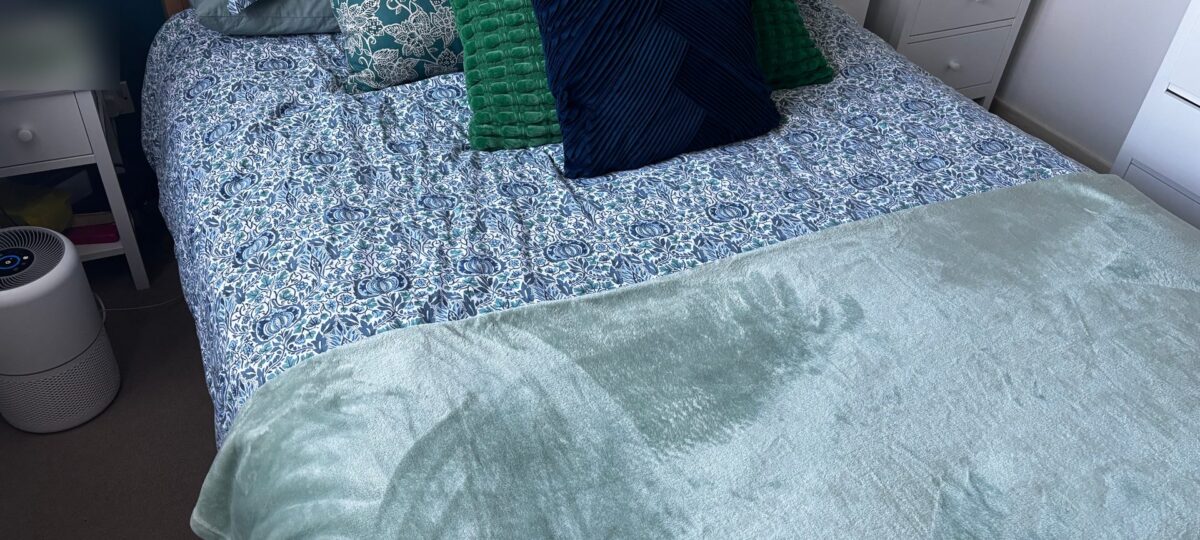
Good bedding = quiet warmth. If your bed holds heat well, you can often lower night-time heating without feeling cold — which matters in a coastal property where the bedroom can feel cold-damp even when the radiator’s been on. I’ve tried the single-heavy-duvet approach and the full layered approach; the layered version wins reliably. A good layered bed is brushed cotton sheets (the immediate difference when you get in), a 10.5-tog duvet, and a throw at the foot of the bed for the coldest nights, and it lets the bedroom radiator run lower overnight than it would otherwise need to. The sheets are the cheapest change — often under £30 — and they make the bed feel warmer the instant you get in. If you want to go deeper into how to put it all together, our guide to layering a bedroom walks through it in detail. Our heating schedule guide covers the wider picture — draught-proofing, heating, and how to keep the room comfortable all night. For daytime, a good throw makes a difference too — we picked out the best throws and blankets for UK homes.
Quick Picks
In a hurry? Start with these.
Shop the layers (optional, calm picks)
- Warm-to-the-touch sheets (brushed cotton): Shop brushed cotton fitted sheets
- Extra top layer (cosy throw): Shop cosy throws
- Fresh duvet cover set: Shop duvet cover sets
- Brushed cotton fitted sheet (Ivory): Shop brushed cotton fitted sheets (Ivory)
Start with layers, not a single “very warm” fix
Layered bedding works better than one heavy item because it traps warm air while still letting you adjust as temperatures change.
- Sheets manage comfort against the skin
- Duvets provide the main insulation
- Blankets or quilts add adjustable warmth
- Mattress layers stop heat loss underneath you
This approach mirrors how we dress for winter: base layer, insulation, optional extra on top.
Tog ratings explained (and why higher isn’t always better)
Tog measures how well a duvet traps heat. In the UK, most winter duvets fall between 10.5 and 15 tog, but the best choice depends on your home and how you sleep.
- 7.5–10.5 tog: Mild winters, warmer homes, or hot sleepers
- 10.5–12 tog: Most UK homes in winter
- 13.5–15 tog: Cold bedrooms, draughty houses, or low overnight heating
I spent two winters with a 13.5-tog duvet assuming more tog meant better sleep in a cold coastal bedroom. What I eventually worked out was that I was waking up hot and damp in the night — the duvet was too warm for a heated bedroom and the excess heat was creating moisture. Dropping to 10.5 tog with a throw at the foot of the bed for cold snaps was the fix. The throw can be added or removed; the single heavy duvet can’t be half-removed. Layering gives you genuine temperature control that a single high-tog item doesn’t.
If you often wake up too hot, a slightly lower tog plus an extra blanket is usually more comfortable than one very thick duvet. All-season duvets (two parts that clip together) work well in the UK if storage space is limited — you can adapt them as temperatures shift.
Materials matter more than marketing
Sheets: start where your skin touches
- Brushed cotton / flannelette: Feels warm immediately — the highest-impact winter sheet change
- Cotton percale: Cooler feel; better if you overheat
- Linen: Breathable but not always cosy in very cold rooms (though excellent in coastal/damp conditions for its moisture-handling)
If your bed feels cold when you get in, changing the sheets often makes more difference than changing the duvet.
Duvet fillings
- Down & feather: Excellent warmth-to-weight, but pricier
- Synthetic: Easier care, good for allergy concerns, widely available
- Wool: Regulates temperature well; warm without feeling clammy — particularly good in damp coastal conditions
Blankets & throws
Wool, fleece, or quilted cotton blankets add flexible warmth. Ideal for cold snaps when your usual duvet isn’t quite enough.
Don’t forget heat loss underneath you
Mattresses can draw warmth away from your body, especially in colder rooms. Mattress toppers add insulation and softness. Wool or padded toppers feel warmer than memory foam alone. If you regularly get into a cold bed, a pre-warming underblanket is often the missing layer. Related: Best Electric Blankets (UK) We have also reviewed the best electric blankets if you want something that takes the chill off before you get in.
Match bedding to your home and routine
Draughty or older homes
Choose a slightly higher tog or add a blanket layer. Bedding helps, but sealing draughts first makes everything work better. Draught-proofing a UK home
Damp or condensation-prone bedrooms
Breathable materials (wool, linen, cotton) tend to feel more comfortable than heavy synthetics if moisture is an issue. In coastal properties especially, wool bedding handles ambient humidity better than synthetic. How to reduce condensation in winter
Low night-time heating
Layered bedding plus a warm mattress layer often allows you to keep heating lower overnight without discomfort. See also: Smart heating routines for UK homes
Common winter bedding questions
Is a higher tog always warmer?
Not necessarily. If you overheat, moisture builds up and you can feel colder despite the higher tog. Layering usually feels better than one very high-tog duvet — you can adjust without replacing everything.
Should I change my bedding for winter?
Often yes. Switching sheets and adding one extra layer is a simple seasonal reset that noticeably improves comfort. The brushed cotton sheet change is the one that makes the most immediate difference for the least money.
What’s the simplest winter upgrade?
Brushed cotton sheets plus a blanket layer — low cost, high impact. Start there before buying a new duvet.
Related reading
Last reviewed: July 2026