
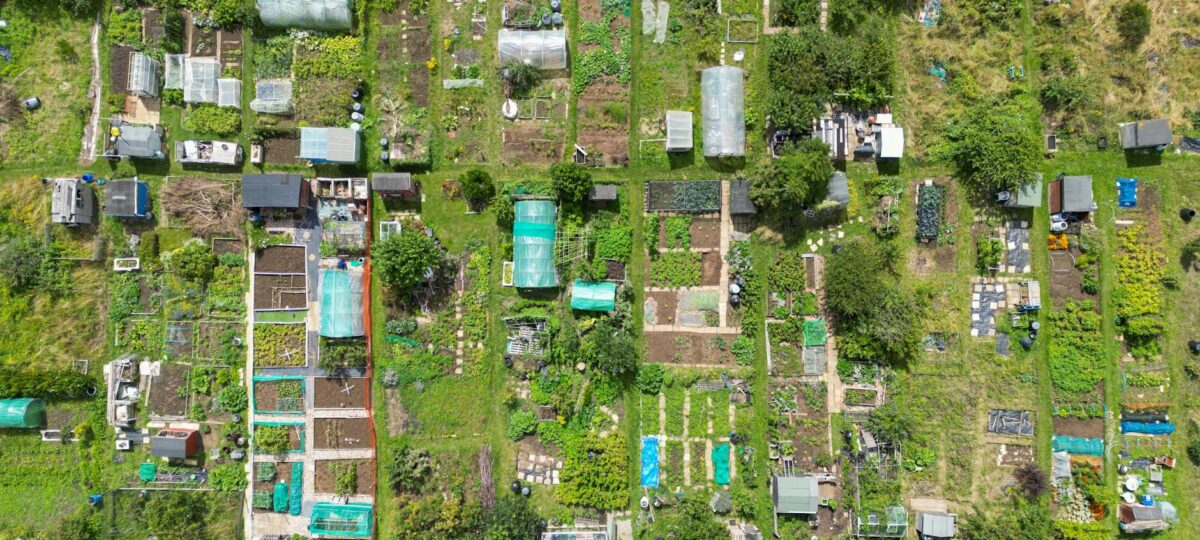
October is one of the most satisfying months of the whole allotment year. The season is winding down, but the soil is still workable and there’s a narrow window to get the last important jobs done — putting things to bed properly and setting yourself up well for spring. This guide covers what to prioritise, from garlic planting to clearing and composting beds. For garlic specifically, our garlic planting guide goes into more detail on timing and varieties.
Here’s what to focus on at the allotment in October.
Harvest Everything That’s Left
October brings the final push of harvest season. Squashes and pumpkins should come in before the first hard frost — once the stems start to shrivel and the skin hardens, they’re ready. Cure them in a warm, dry spot for a week or two and they’ll keep well into winter. Maincrop potatoes that are still in the ground need lifting before the soil gets too wet and cold, which encourages rot. Check them carefully and set aside any damaged ones to use first.
Green tomatoes that haven’t ripened on the vine can come indoors — lay them out on a windowsill or in a drawer with a ripe banana, and many will turn red over the next few weeks. Alternatively, green tomato chutney is one of the great allotment preserves. Runner beans, courgettes, and French beans should be cleared if they haven’t been already — once frosted, they deteriorate quickly.
Plant Garlic — October Is Prime Time
If you do one thing in October, plant garlic. It’s the most satisfying act of faith in the allotment calendar — you push cloves into the cold earth and come back in July to a full bulb. Garlic needs a cold period to vernalise (trigger proper bulb development), so planting now gives it exactly what it needs.
Break bulbs into individual cloves and plant them pointed end up, about 10cm deep and 15cm apart. Hardneck varieties like Chesnok Red and Purple Wight have better flavour; softneck types like Solent Wight store longer. Either way, choose good-quality seed garlic from a reputable supplier rather than supermarket bulbs, which may carry disease. Full details in our garlic planting guide.
Plant Spring Bulbs
Allotments aren’t just for vegetables. A row of tulips or a patch of daffodils brings enormous pleasure come spring — and cut flowers from your own plot feel genuinely luxurious. October is the ideal time to get them in. Tulips in particular benefit from a late planting (October to November) as it helps prevent tulip fire disease. Plant them 20cm deep in well-drained soil, in groups of five or more for impact.
Daffodils, alliums, and fritillaries can go in now too. See our full guide to planting spring bulbs in autumn for spacing, depth, and variety recommendations.
Sow Broad Beans (Direct or Wait Until November)
Hardy varieties of broad beans — Aquadulce Claudia is the classic — can be sown direct in October for an early summer harvest. Autumn-sown plants establish a stronger root system before winter sets in and typically crop two to three weeks earlier than spring-sown ones. Sow 5cm deep, 20cm apart, in double rows. Cover with fleece if a hard frost is forecast for newly germinated seedlings, but established plants handle cold well. I keep a roll of 30gsm fleece in the shed all winter.
If your plot is very exposed or prone to waterlogging, it’s worth waiting until November or even February to direct sow, or starting them in pots in a cold greenhouse.
Clear, Compost, and Cover
Every bed you clear in October is one less job in spring. Remove spent crops completely — roots and all — and add healthy material to the compost heap. Don’t compost anything diseased or pest-ridden; that goes in the council bin or bonfire pile. Once a bed is cleared, consider what to do with it:
- Cover with a tarp or cardboard to suppress weeds and protect soil structure over winter
- Dig in well-rotted manure or compost if the bed needs feeding — winter rain will help work it in
- Sow a green manure like phacelia or field beans to fix nitrogen and prevent erosion
- Leave as bare soil if you want frost to break it up — works well on heavy clay
We cover this in more depth in our guide to clearing the allotment for winter.
Tend the Compost Heap
Autumn is the best time to give your compost heap some attention. The abundance of fallen leaves, spent crops, and general garden waste means it will fill up fast. Mix brown material (dried leaves, cardboard, straw) with green (soft plant waste, grass clippings, vegetable scraps) to maintain a good carbon-to-nitrogen ratio. If the heap smells or is slimy, it’s too wet and too green — add more brown material and turn it to introduce air.
Leaves deserve a heap of their own. Leaf mould — made purely from decomposed autumn leaves — is one of the finest soil conditioners you can make for free. Fill wire cages or black bin bags with leaves, wet them if dry, and leave for a year or two. The result is dark, crumbly, and worth its weight in gold for mulching and potting mixes. More on this in our winter composting and leaf mould guide.
Check Perennials and Soft Fruit
Asparagus fronds can be cut down once they’ve yellowed fully — usually mid to late October. Strawberry plants benefit from a tidy: remove old leaves, runners that haven’t been used, and any straw mulch that’s gone mouldy. Raspberry canes that fruited this summer should be cut to the ground; new green canes that grew this year are next year’s fruiting wood — tie them to wires or stakes to protect them from autumn winds.
October is also a good time to divide and replant rhubarb crowns if they’ve been in place for three or more years. Dig up the whole crown, divide it with a spade into sections each containing at least one bud, and replant at the same depth.
Jobs to Do This Month at a Glance
- Lift maincrop potatoes and store in paper sacks in a cool, dark place
- Harvest and cure squash and pumpkins before hard frosts
- Bring green tomatoes indoors to ripen
- Plant garlic cloves 10cm deep, 15cm apart
- Plant tulip and other spring bulbs
- Sow broad beans (Aquadulce Claudia) direct
- Clear spent crops and compost healthy material
- Cover empty beds with tarp, cardboard, or green manure
- Build a leaf mould cage or bag up leaves
- Cut back asparagus fronds and tidy strawberries
- Cut out summer raspberry canes and tie in new ones
- Divide rhubarb crowns if needed
October is easier when September went well. The September garden jobs guide covers the harvest-and-transition work — lifting maincrop potatoes, curing squash, clearing the beds that everything here goes into.
Looking Ahead: November
By the end of October, your allotment should be more empty than full — and that’s a sign you’ve done things right. The quiet months ahead are when the soil rests and recovers, when your compost does its slow alchemy, and when you start planning next year’s rotation.
For the full seasonal picture, browse the Autumn Garden hub — covering everything from September harvests to winter preparation.
Related Buying Guides
- Best Bulbs to Plant in Autumn UK — tulips, daffodils, alliums: what to buy and how to plant
- Best Compost Bins UK
- Best Garden Tools UK
- Garden & Outdoor
Last reviewed: June 2026
📋 From the D&L Shop: Planning your growing year? Our Your First Year on the Allotment guide covers every month from clearing the plot to your first proper harvest — written from 15+ years of UK growing experience. £9.99, instant PDF download. Also useful: the Allotment Plot Planner (£4.99) for mapping beds and planning crop rotation. Browse the full shop →
Related guide: the vacuum sealers worth buying — to put the autumn harvest away properly.
🛡 Our standards: How we research · Editorial policy · Affiliate disclosure · Corrections · Last reviewed: June 2026

About Gareth
Gareth Isherwood is the editor of Danbury & Lovejoy. He has baked bread at home for 25+ years and has 15 years of growing experience across gardens, containers and other growing spaces, including an East Sussex allotment for the past three years. Read his full story →
Was this useful?