Sourdough bread has a reputation that’s larger than the bread itself. It requires a living starter, more attention than a yeast loaf, and several days before you get a result — so is it actually worth it? I’ve baked sourdough in the past, and here is the honest case for and against.
Quick answer: Worth it if you bake at least weekly and enjoy the process. Sourdough gives a more layered flavour, a better crust, and bread that is still good on day three. It costs you a starter fed once a week, a steeper learning curve, and roughly 36 hours of elapsed time per loaf for about 45 minutes of actual work. If you bake infrequently or impulsively, the maintenance is genuinely burdensome and the results are more variable.
Sourdough is leavened with a starter — a culture of wild yeast and bacteria that you maintain by feeding it regularly with flour and water. The bacteria produce lactic and acetic acids as they ferment, which give sourdough its characteristic tang. The wild yeast provides the rise. The process is slower than commercial yeast, the flavour is more complex, and the keeping quality is better — a good sourdough loaf is still excellent on day three, when a commercial-yeast loaf would be staling.
It also requires more from you than a standard loaf. Not more skill, exactly — but more consistency, more attention to timing, and more tolerance for variability. If the starter isn’t active enough, the loaf won’t rise properly. If the fermentation goes too long, the crumb is gummy. If it goes too short, the flavour is underdeveloped. Sourdough baking is a conversation with a living culture, and that’s simultaneously what makes it interesting and what makes it a genuine commitment.
The honest case for it
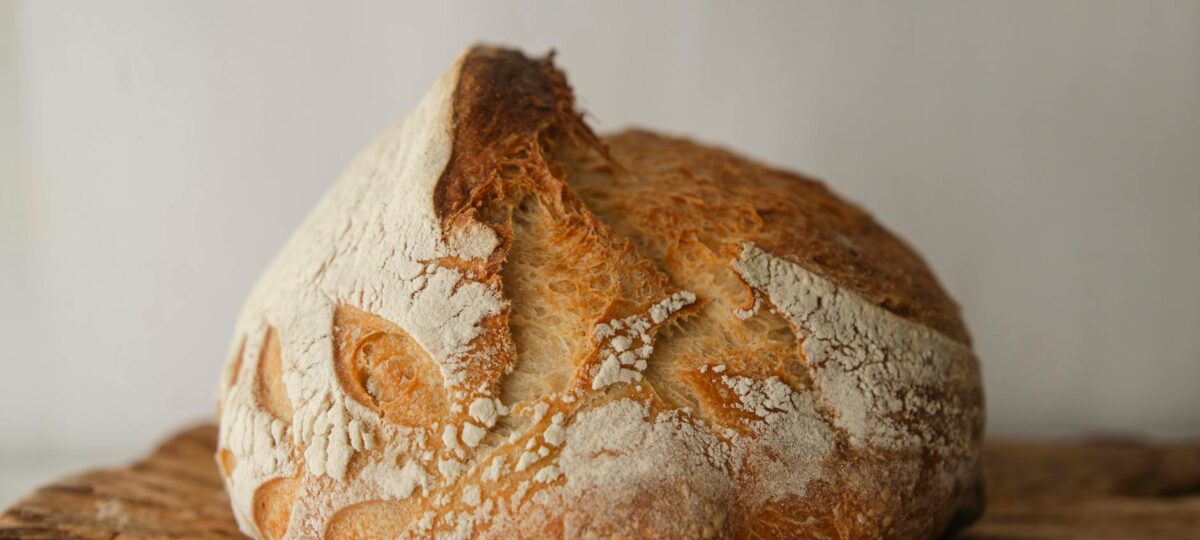
A well-made sourdough loaf is better than most things you can produce with commercial yeast. The flavour is more layered — sour, nutty, complex in a way that a standard white loaf isn’t. The crust, properly baked in a Dutch oven, is extraordinary. The crumb keeps its texture longer. And there’s something satisfying about bread that’s genuinely alive — made with a culture you’ve maintained, leavened by fermentation rather than a commercial product.
For people who find regular baking genuinely pleasurable, sourdough is a natural progression. It rewards attention and consistency in proportion to what you put in. If you’re the kind of person who enjoys the process of baking as much as the result, this is worth taking on.
The honest case against it
Kept at room temperature, the starter needs feeding every day; kept in the fridge, about once a week. Going away for two weeks means asking someone to feed it or starting again on your return. Forgetting to feed it for a week means it may be salvageable, or it may not — you’ll spend an anxious hour trying to revive something that may be beyond saving.
The time from starting a loaf to eating it is longer than with commercial yeast — typically 24–36 hours from mixing to baking when you include the overnight cold prove. This isn’t active time, but it requires thinking ahead and doesn’t suit “I want bread tonight” impulses.
The learning curve is steeper. The first few loaves are often disappointing — flat, dense, or gummy — while you calibrate to your starter’s behaviour, your kitchen temperature, and your oven. Most people who bake sourdough can tell you exactly what their first ten loaves were like, and “varying degrees of imperfect” is the common answer.
What the commitment actually looks like
A mature, active starter lives in the fridge and needs feeding once a week if you’re baking weekly. Take it out the night before you want to bake, feed it, leave it at room temperature overnight — it should be active and bubbly by the morning. Mix the dough, bulk ferment for 4–6 hours, shape, cold prove overnight in the fridge, bake the next morning. Total active time across two days: about 45 minutes. Total elapsed time: about 36 hours.
If that structure fits how you cook — you plan ahead, you enjoy the process, you bake regularly enough to keep the starter healthy — sourdough works well. If you cook more impulsively or bake infrequently, the maintenance is genuinely burdensome and the results are more variable.
Getting a starter
You can make a starter from scratch — mix equal weights of flour and water, leave at room temperature, feed it daily, and within five to seven days you’ll have an active culture. The process works reliably if the kitchen is reasonably warm (18°C or above).
The faster route: ask someone who bakes sourdough for a piece of their starter. A mature starter that’s been fed and maintained for months is more active and more reliable than a brand-new one. Most sourdough bakers are delighted to share — it’s that kind of community.
Starter kits are sold by various bakeries and online suppliers. Hobbs House Bakery (Rakuten partner) sell dried starter that reconstitutes reliably — a good option if you want to skip the creation stage entirely and begin with something established.
The flour question
Feed your starter with white bread flour for the most reliable activity. Some bakers use wholemeal or rye to feed, which produces a more active starter with more acetic acid (sharper flavour) — worth experimenting with once you have the basics working. Strong white flour for the dough produces the most accessible loaf; a 20% wholemeal addition adds flavour without adding significant difficulty.
The verdict
Sourdough is worth it if: you bake at least weekly, you find the process genuinely enjoyable rather than a means to an end, you have a kitchen with reasonably consistent temperature, and you’re willing to make a few disappointing loaves while you learn.
It’s not worth it if: you want bread on demand, you travel frequently, you bake occasionally and don’t want the maintenance commitment, or you just want a reliable good loaf without the complexity. For those situations, the no-knead loaf made with a tiny amount of instant yeast and a long cold prove produces a loaf that’s genuinely close to sourdough in texture and keeping quality, with a fraction of the commitment.
The no-knead approach is where most people should start. Sourdough is where you go when the standard approach feels too easy and the bread isn’t interesting enough anymore. That’s a good problem to have — and when you’re there, sourdough is the natural next step.
For everything else in the baking section, the baking hub is the starting point. The beginner’s bread guide covers the kneaded white loaf, and bread equipment covers what’s worth buying at each stage — including the Dutch oven that makes both no-knead and sourdough baking significantly better.
Frequently asked questions
What actually makes sourdough different from a yeast loaf?
It is leavened with a starter — a culture of wild yeast and bacteria kept alive by feeding it flour and water. The bacteria produce lactic and acetic acids as they ferment, which give sourdough its tang, and the wild yeast provides the rise. The process is slower than commercial yeast, the flavour is more complex, and the keeping quality is better.
How long does a sourdough loaf actually take?
About 36 hours of elapsed time, but only around 45 minutes of active time spread across two days. Feed the starter the night before, mix the dough, bulk ferment for four to six hours, shape it, cold prove overnight in the fridge, and bake the next morning.
How often does a sourdough starter need feeding?
A mature starter kept in the fridge needs feeding once a week if you are baking weekly. Take it out the night before you want to bake, feed it, and leave it at room temperature overnight; it should be active and bubbly by the morning.
Can I make a sourdough starter from scratch?
Yes. Mix equal weights of flour and water, leave it at room temperature and feed it daily, and within five to seven days you will have an active culture. It works reliably if the kitchen is 18°C or above. The faster route is to ask someone who already bakes sourdough for a piece of theirs — a mature starter is more active and more reliable than a brand-new one.
Which flour should I feed a starter with?
White bread flour gives the most reliable activity. Wholemeal or rye produces a more active starter with more acetic acid and a sharper flavour, which is worth experimenting with once the basics are working. For the dough itself, strong white flour makes the most accessible loaf, and a 20% wholemeal addition adds flavour without adding significant difficulty.
Why are my first sourdough loaves flat or gummy?
That is the normal learning curve. If the starter is not active enough the loaf will not rise properly; if the fermentation runs too long the crumb is gummy, and too short leaves the flavour underdeveloped. Most people who bake sourdough describe their first ten loaves as varying degrees of imperfect while they calibrate to their starter, their kitchen temperature and their oven.
What happens if I go away or forget to feed the starter?
Going away for two weeks means asking someone to feed it or starting again on your return. Forgetting for a week means it may be salvageable, or it may not.
🛡 Our standards: How we research · Editorial policy · Affiliate disclosure · Corrections

About Gareth
Gareth Isherwood is the editor of Danbury & Lovejoy. He has baked bread at home for 25+ years and has 15 years of growing experience across gardens, containers and other growing spaces, including an East Sussex allotment for the past three years. Read his full story →
Was this useful?