
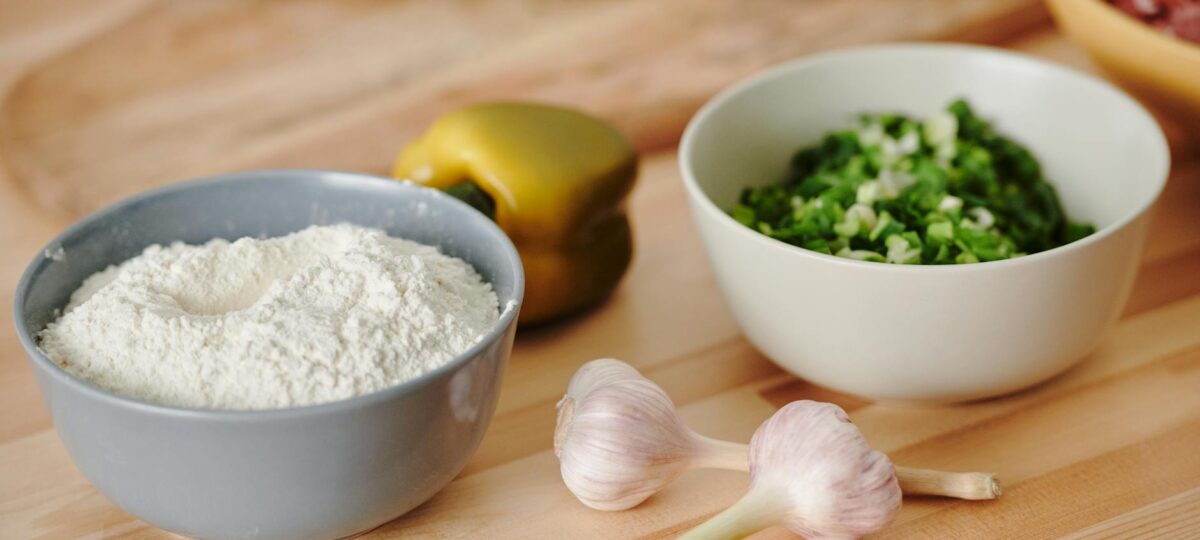
This guide is about cooking well in that window, using what’s actually available in UK shops and allotments right now.
Table of Contents
Some of the links below are affiliate links: if you buy through them we may earn a small commission at no extra cost to you. As an Amazon Associate I earn from qualifying purchases. We only suggest things we would recommend to a friend — see our affiliate disclosure and how we research.
✉ Join the Dispatch — a calm weekly note, every Thursday. Free.
What’s in season in spring
Asparagus is the iconic British spring vegetable, with the English season running from late April to late June. Buy it when it’s in season from a UK grower rather than the imported year-round variety; the flavour difference is significant. For very good-quality seasonal British produce delivered to your door, Daylesford Organic’s seasonal range is worth looking at through spring.
New potatoes arrive from May — Jersey Royals are the benchmark, but any freshly dug small potato with their earthy sweetness is worth cooking simply with butter and fresh mint.
Broad beans come in from May onwards. Young beans can be eaten pod and all; larger pods should be podded, blanched, and often double-podded (removing the grey outer skin) to reveal the bright green bean inside.
Also in season from late March to May: spring cabbage and spring greens, watercress, radishes, spinach, sorrel, wild garlic, rhubarb, and the first outdoor lettuce. Purple sprouting broccoli from earlier in the season continues into April.
There’s more in our what to cook in may roundup.
Asparagus with poached eggs and brown butter
A seasonal supper that takes ten minutes. Snap the woody ends from asparagus spears and roast or griddle them — a cast iron griddle pan gives them the best char — with a little oil and salt until tender and lightly charred. Poach eggs — two per person — until the whites are set and the yolks still runny. Melt butter in a small pan until it foams, turns golden and smells nutty. Serve the asparagus topped with the eggs and the brown butter poured over. Very good with sourdough toast alongside.
New potato and chive salad
Boil new potatoes until just tender, drain and leave to steam-dry for a few minutes. While still warm, dress with a mixture of good mayonnaise or crème fraîche, a little cider vinegar, salt, pepper, and a generous amount of snipped chives. The warmth of the potatoes lets the dressing absorb rather than just coating the surface. Serve at room temperature. Excellent with cold chicken, smoked fish, or as a main dish with watercress alongside.
Spring vegetable frittata
The kind of supper that accommodates whatever spring vegetables you have. Sauté spring greens, leeks or asparagus tips in a little butter until softened. Beat 6 eggs with salt, pepper and a tablespoon of water. Pour over the vegetables in an ovenproof frying pan and cook on the hob until the edges set, then transfer to a moderate oven (180°C) for 8–10 minutes until just set in the middle. Scatter with crumbled feta or grated hard cheese before the last few minutes if you like. Good warm or at room temperature, and keeps in the fridge for two days.
Broad bean and mint bruschetta
Double-pod broad beans and blanch briefly in salted water. Drain and crush roughly with a fork — not to a smooth paste, but to a chunky mixture. Mix with good olive oil, lemon juice, salt and roughly torn fresh mint. Pile onto toasted sourdough rubbed with garlic and olive oil. An excellent lunch or light supper, particularly on a warm evening when proper cooking feels like too much.
Simple rhubarb compote
Early forced rhubarb is available from January; outdoor rhubarb follows in April. Cut into 3cm pieces, place in a pan with a few tablespoons of sugar and a splash of water or orange juice. Cook over medium heat until the rhubarb has softened but still has some texture. Taste and adjust sweetness. Use over yoghurt for breakfast, with oat biscuits, or as a simple dessert with cream or ice cream.
Rhubarb is one of the first real crops of the spring allotment, and it’s endlessly useful. It keeps in the fridge for a week, so it is worth making a batch. Good over porridge, over yoghurt, alongside roast pork, or just eaten cold from a bowl with cream. Growing it requires almost no effort once it’s established — if you have any outdoor space at all, it’s worth the small investment of a crown.
Using fresh herbs in spring cooking
Spring is when herbs become genuinely useful again — mint with new potatoes, chives over almost everything, parsley in sauces and salads. If you grow your own herbs, this is the season when they reward you most. I keep a few pots of chives, parsley and mint on the allotment, and from March they start producing reliably again after the winter. The difference between fresh herbs and dried is most noticeable in spring cooking, where the dishes are simpler and there’s less to hide behind.
Kitchen kit for spring cooking
Spring cooking tends to be quicker and lighter than winter cooking — less slow-cooker time, more hob work. A good frying pan that moves from hob to oven earns its keep for frittatas and gratins.
- Ovenproof frying pan — for frittatas, hash browns, and anything that goes hob-to-oven. A well-seasoned cast iron pan is the one that improves with use.
- Cast iron griddle pan — for asparagus and spring vegetables that benefit from char marks. Gives you a restaurant-quality result in minutes.
- Herb pots for the windowsill — a small investment that pays back in fresh herbs through spring and summer. Terracotta breathes better than plastic and looks right on a kitchen sill.
What We’d Have in Spring
A good ovenproof frying pan covers frittatas, pan-fried asparagus, hash, and almost everything else spring cooking asks for. For seasonal ingredients worth seeking out — asparagus, new potatoes, organic spring produce — Daylesford Organic is the one we’d turn to first.
The Danbury Dispatch — Free Weekly
Quick Picks

Lodge Pre-Seasoned Cast Iron 2-in-1 Double-Sided Reversible Grill Pan/Griddle Plate for Indoor and Outdoor Use. Flat and Ridged. Induction, Oven, Grill and Metal Utensil Safe. Made in the USA

nuovva Pre-Seasoned Cast Iron Skillet Frying Pan Oven Safe Cookware for Indoor & Outdoor Use - Grill, Stove Top, PFOA & PTFE Free (10inch - 25cm)
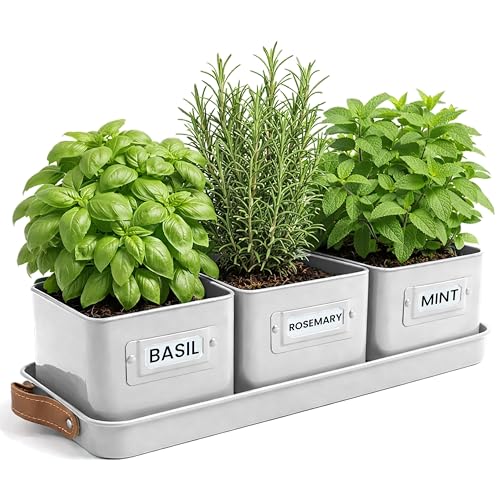
Green Thumbz Herb Pots for Kitchen Windowsill - Set of 3 Warm Stone Herb Planter Indoor with Leather Handled Tray - Ideal for an Indoor Herb Garden, Plants and Flowers - Labels Included
🌱 From the D&L Shop: Easing into a new season? Our Sunday Reset Checklist is a free printable — a calming weekly routine to help you feel organised and ready for the week ahead. Browse the full shop →
🛡 Our standards: How we research · Editorial policy · Affiliate disclosure · Corrections · Last reviewed: August 2026

About Gareth
Gareth Isherwood is the editor of Danbury & Lovejoy. He has baked bread at home for 25+ years and has 15 years of growing experience across gardens, containers and other growing spaces, including an East Sussex allotment for the past three years. Read his full story →
Was this useful?