

Money & Home
By the time the advent calendars are open and the fairy lights are up, something slightly less magical has usually happened in the background: the food shop has crept up, the social diary has filled itself, and the bank app is quietly blinking from the corner of the screen. It’s a familiar pattern, and the Decembers that end without a January hangover are the ones where a handful of calm decisions get made early in the month rather than on New Year’s Eve. This is that plan. UK households typically spend between £500 and £1,500 on Christmas — across gifts, food, drinks, travel, and all the extras that quietly add up. Planning those four categories early is the difference between a January that feels fine and one that doesn’t. Food can be one of the biggest Christmas costs — our guide to reducing the food bill helps here too.
Some of the links below are affiliate links: if you buy through them we may earn a small commission at no extra cost to you. As an Amazon Associate I earn from qualifying purchases. We only suggest things we would recommend to a friend — see our affiliate disclosure and how we research.
✉ Join the Dispatch — a calm weekly note, every Thursday. Free.
Quick Picks — Practical December Kit
- Budget planner notebook — for mapping your December “Big Four” spending categories
- Slow cooker (6 litre) — the cheapest way to batch-cook through December evenings
- Cast iron casserole — hob to oven to table, a proper winter cooking investment
This isn’t a full financial overhaul — there are already guides here on cutting household bills, beginner UK budgeting and building a £1,000 rainy-day fund. Think of this as the seasonal layer on top: a gentle plan for gifts, food, going out and heating that fits real British weather, real prices and real energy levels. If you are new to budgeting, our beginner UK budgeting guide is a good foundation for this.
Step 1 – Count the “Big Four” for December
Before you can make December calmer, you need to see where the money actually goes. For most UK households, Christmas spending falls into four big buckets:
- Gifts (including wrapping, cards and postage)
- Food & drink (Christmas Day, “just popping in” bits, extra treats)
- Going out & travel (work dos, drinks, petrol, trains, taxis)
- Heating & cosy extras (higher energy use, candles, blankets, lights)
Grab a notebook and give each one a rough number based on what you spent last year (check your banking app) and what you’d like to spend this year. You don’t need to be forensic. Even a rough guess usually reveals one category that’s doing the heavy lifting — often food and drink — and one that has quietly ballooned, often going out and travel.
Step 2 – Decide on a “Good Enough” Christmas Budget
Once you can see the numbers, choose a total you can actually afford without dipping into savings or credit. A few questions that help: How much can I spend this December without it feeling uncomfortable in January? Which bits genuinely matter to us, and which are just habit or pressure?
Then sketch a simple split — for example: 40% gifts, 35% food and drink, 15% going out and travel, 10% heating and cosy extras. This isn’t about forcing life into tidy percentages; it’s about deciding on purpose what you’re happy to fund.
Tweak the gift side (without turning into Scrooge)
A few approaches that work well:
- Secret Santa for adults, presents only for children
- A simple price cap everyone actually sticks to
- A favourite book with a written note inside — costs almost nothing, means considerably more
- Home-made vouchers for babysitting, cooking a meal, a long walk
For ideas, see our thoughtful Christmas gift guide; if you’re buying in the Black Friday sales, check how to tell a real deal from a fake one first.
The goal isn’t a minimal Christmas. It’s a Christmas you can afford without resentment in January.
Step 3 – Plan Three Easy December Suppers Each Week
The fastest way to stop December spending from leaking is to reduce the number of “we can’t be bothered” food moments. The aim isn’t culinary brilliance — it’s repeatable, comforting dinners that keep you out of the supermarket every other day.
A rhythm that works: one batch-cook on Sunday (chilli, stew, slow-cooker pulled pork), one traybake night mid-week with everything on a single tin, and one “use-it-up” night where fridge stragglers go into a forgiving slow-cooker recipe. That way, when the mid-December wobble hits, there’s actual food in the fridge and a bank balance that hasn’t been knocked sideways by “just this once” takeaways.
This approach pairs well with energy efficient cooking — slow cookers use a fraction of the energy of an oven for the same output.
Step 4 – One Quiet Home or Allotment Job That Saves Money
December is a peculiar month: frantic in town, oddly still at the allotment. Instead of treating the garden or home as something to “sort out in spring”, pick one quiet job each December that protects either next year’s food supply or this winter’s energy bill.
On the allotment or in the garden: mulch beds and around fruit bushes to protect soil and moisture; check covers, nets and sheds for gaps before winter storms; sketch a plan for what to grow next year to reduce food costs.
At home: bleed radiators and check which rooms actually need heating; add or adjust draught excluders and letterbox brushes; look at foam sealing tape for window and door gaps. The point isn’t to turn December into a home-improvement bootcamp — it’s to pick one practical job that makes you quietly grateful in January.
Step 5 – Give January a Gentle Head Start
Christmas money content usually stops on Boxing Day, just when the reassurance is most needed. Before the year turns, do three small things for January-you:
- Check direct debits and standing orders. Cancel anything clearly not being used. Note expiry and renewal dates in the calendar so you’re not ambushed later.
- Decide on one small automatic transfer. Even £20–40 a month into a labelled “Winter Buffer” makes a difference. If you haven’t started building an emergency fund yet, the £1,000 rainy-day fund plan is a gentle way to begin.
- Sketch three money priorities for the new year. Nothing grand — just a quietly honest list: get the emergency fund to £1,000, clear the small lingering credit card, finally set up a budget that includes Christmas rather than just surviving it.
A Simple January Money Check
My own January reset happens at the kitchen table, with a notebook.
A quick way to see where winter money is going: label three columns Fixed, Variable and Optional, and put every regular outgoing into one. Fixed is rent or mortgage and council tax; Variable is food, fuel and utilities; Optional is subscriptions, takeaways and anything you could pause tomorrow. Most people are surprised how much sits in Optional once it’s actually written down.
A short weekly check through January and February — the account balance, anything unusual from the week, next week’s food budget — catches a small overspend before it turns into a big one.
Step 6 – The December Money Checklist
This week:
- List your Big Four: gifts, food & drink, going out & travel, heating & cosy extras
- Set a “good enough” total you can afford without dipping into debt
- Roughly split that total between the four categories
- Agree any family gift rules (Secret Santa, price caps, adults give cards only)
- Pick three easy suppers and add the ingredients to your next food shop
- Choose one home or allotment job that will save money later
- Do a 20-minute check of direct debits; cancel at least one that isn’t earning its keep
- Check your energy direct debit matches actual use, not last year’s estimate, before the highest-usage months arrive
- Move your Christmas spending into a separate account, so the balance itself is the limit
- Check when your December pay lands: many employers pay early before Christmas, which makes the wait for January’s payday longer than usual, so plan for December’s money to stretch further
Before Christmas week:
- Finalise travel plans and ring-fence a realistic travel and going-out budget
- Batch-cook at least one freezer-friendly meal for the “can’t be bothered” nights
- Put a reminder in your calendar to review bills in early January
- Decide on a small automatic monthly transfer to your rainy-day fund or winter buffer
- Check the freezer and cupboards before the big Christmas shop — home-grown or bulk-bought vegetables, beans and dried herbs often add up to more than you’d expect
Between Christmas and New Year (if you have the headspace):
- Spend half an hour with your banking app and the household bills guide to spot easy savings for the new year
- Jot down three money intentions for the year ahead
Recommended Pick
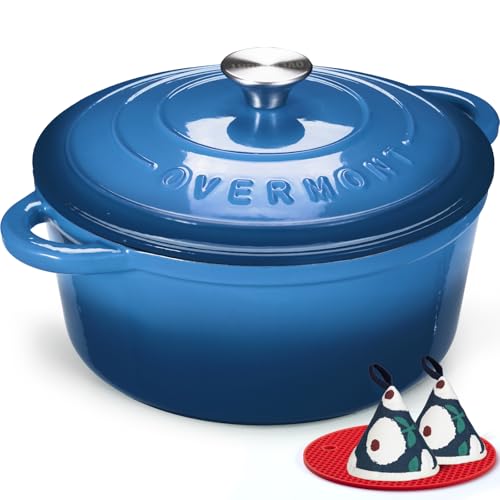
If you’re batch-cooking through December — and the rhythm in Step 3 makes it genuinely easy — a proper cast iron casserole is one of the best investments a kitchen can make. Hob to oven to table, holds heat through second helpings, induction compatible.
Foundry 24cm Cast Iron Casserole — check current price on Amazon →
A Quiet Word to Finish
A calm Christmas money plan isn’t about creating the “perfect” financial December. It’s about knowing roughly what you’re spending, making sure that lines up with what you actually care about, and leaving January-you with a little more breathing room than last year. If you’d like more along these lines, wander through Money & Sense for practical guides to UK household finances.