

Garden & Outdoor
Is Growing Your Own Food Actually Cheaper? The Honest Allotment Maths
This post contains a small number of affiliate links marked clearly below. If you buy through them, I earn a small commission at no extra…
Personal finance content tends to go one of two ways. Either it’s so broad it’s useless — “spend less than you earn,” thanks — or it assumes you’re already comfortable enough that the advice is really about optimising rather than actually managing. Neither is much help if you’re trying to run a British household on a real budget in a year when energy bills, food costs, and the general cost of being alive have all moved in the wrong direction.
This section is focused specifically on the money side of running a home — and I mean a real home, with real costs, not a theoretical one. I research and test products before I recommend them (the best electric blanket guide, for instance, involved buying and using several, checking running costs against wattage, and thinking about who they’re actually for). I write about reducing household bills with specifics: which changes make a material difference to your energy usage, which ones are mostly placebo, and how to think about upfront cost versus long-term saving without a spreadsheet degree.
There’s also a practical everyday thread running through the content here — cheap family meals for March, budget Easter eating, the kind of real-week money management that doesn’t require a lifestyle overhaul. Because the most effective household financial sense isn’t usually a single big decision — it’s a hundred small ones made slightly better over time.
I’m not a financial adviser, and I don’t pretend to be. But I am someone who pays close attention to household costs, buys the things I recommend, and writes honestly about what delivers value and what doesn’t. UK-specific, current, and free of the affiliate-driven enthusiasm that makes so much “best buy” content untrustworthy.
What you’ll find here: Honest buying guides for home products, practical energy and bill-saving advice, budget meal planning for British families, and a grounded approach to everyday household money management. No financial jargon, no unrealistic targets — just the practical stuff that actually helps.
This post contains a small number of affiliate links marked clearly below. If you buy through them, I earn a small commission at no extra…
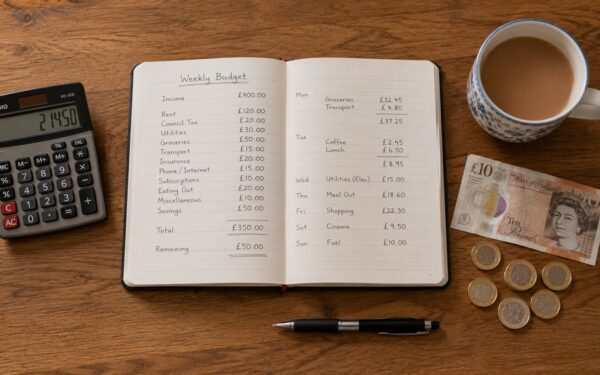
Creating a weekly budget in the UK is one of the most useful financial habits you can build — simple, consistent and far more effective…

Heating is the biggest single cost on most UK energy bills. Here's how to understand what you're actually paying for, and the most effective ways to reduce it.

Most people know roughly what a budget is. Fewer know about sinking funds — and that’s a shame, because they’re one of the most practical…
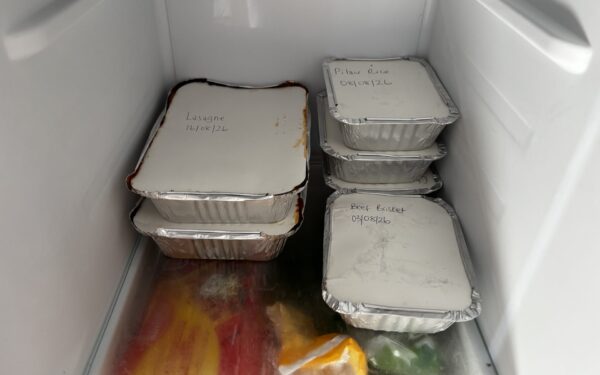
Meal prepping — cooking in bulk at the start of the week so you have meals ready to go — is one of the most…

Cheap high-protein meals in the UK don’t require expensive meat or protein powders — eggs, lentils, tinned fish and chicken thighs are the backbone of…
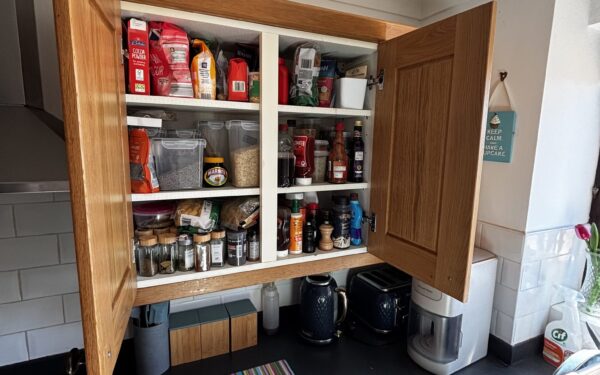
Eating well on about £50 a week for two takes some thought, and anyone who tells you otherwise probably isn’t doing it. But it is…

How to spend less on food each week without making mealtimes worse — practical, specific habits that add up without requiring deprivation or constant effort.

📅 Reading this off-season? For what to cook right now, see our current seasonal recipes guide. April is one of the better months to cook…

These upgrades cost £5–£50, but make a measurable difference. No need for expensive renovations — small changes add up.
Can we count your visit? We’d like to use Google Analytics cookies to see which pages people read. Nothing else, and no ads. Cookie Policy