📅 Reading this off-season? For what to cook right now, see our current seasonal recipes guide.
April is one of the better months to cook on a budget in the UK, though you would not always know it from the supermarket. The seasonal shift is real — there are vegetables coming in that are genuinely cheap right now and will only get more expensive once everyone catches on — but they sit alongside plenty that is still expensive, still off-season, still worth skipping for now. For the bigger picture on keeping costs down, our guide to reducing the weekly food bill has more ideas.
This is a guide to what is actually worth buying and cooking in April: the produce that offers real value, the meals that stretch it well, and the batch cooking that makes the busy weeks ahead slightly easier to manage. A slow cooker is particularly good for this — see our guide to how much a slow cooker costs to run if you’re weighing up whether to use one more. Our spring slow cooker meals are another good way to use seasonal ingredients without much effort. If you like to cook ahead, our batch cooking guide is a natural companion to this.
What Is Actually Cheap in April
The UK spring season arrives unevenly, but by April a handful of vegetables are reliably affordable. Purple sprouting broccoli — genuinely one of the better vegetables available at any time of year — is at its cheapest and most tender right now. It needs almost nothing: a hot pan, a little oil, some salt. Served alongside eggs or stirred through pasta, it is excellent and costs very little.
Spring greens and Savoy cabbage are abundant and cheap through April. These are not glamorous but they cook well and hold up to bold flavours — spiced with cumin and garlic, braised with stock, or simply wilted with butter and black pepper, they disappear into good meals without much effort.
Leeks are still good value in April and will be for a few more weeks before the season ends. They work hard in soups, tarts, and risottos, and have a sweetness that intensifies with slow cooking. A bag of leeks, some dried lentils, and a good stock will produce enough soup for three or four lunches.
New potatoes will start appearing toward the end of April — Jersey Royals in particular, which are worth eating from the moment they arrive and not much afterwards. They cost more than old potatoes but they are a genuine seasonal treat that is not available year-round and worth buying when the price is reasonable.
Eggs are a constant of budget cooking and April is no exception. A household that treats eggs as a main ingredient rather than a supplementary one — and that plans spending deliberately, as a proper household budget encourages — — shakshuka, frittata, a proper omelette with something good in it — will eat very well for very little.
What to Skip in April
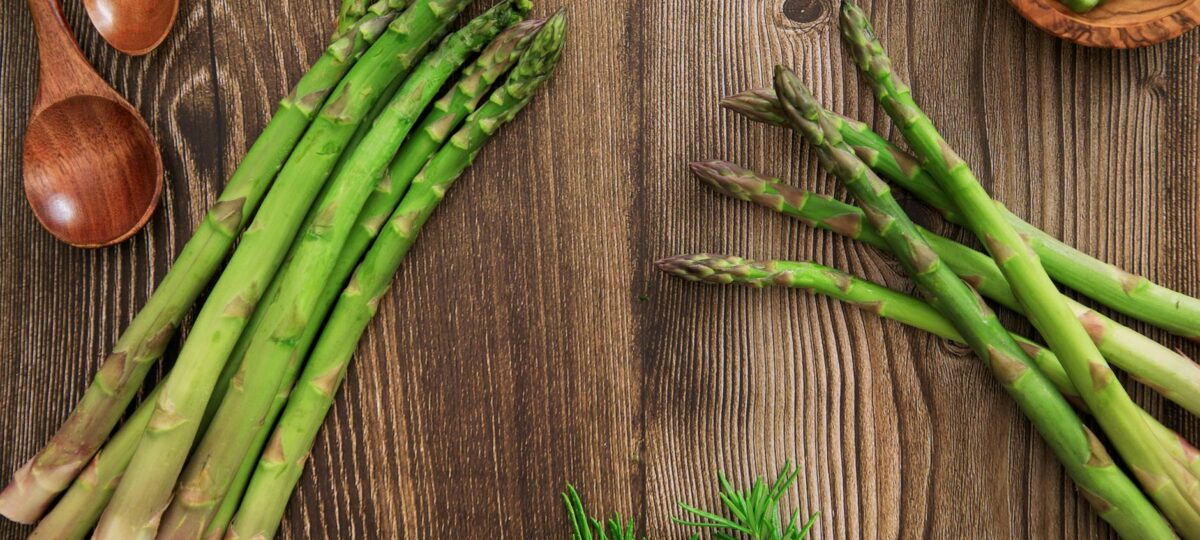
Asparagus, strawberries, and early peas are all technically starting to appear in April but the prices reflect that — they are still expensive because the British season has barely begun. Patience pays here. All three will be meaningfully cheaper and much better by late May and June. Buying them now because they exist is not the same as buying them when they are actually good value.
Imported tomatoes are still mediocre and overpriced in April. The good ones — sweet, actually red all the way through, worth eating raw — do not arrive until midsummer. Until then, tinned tomatoes are better in almost every cooked application and cost a fraction of the price.
Salad leaves sold loose or in bags are expensive, wasteful, and limp within days. In April the better approach is a bag of whole little gem or romaine from the reduced section, or growing your own cut-and-come-again leaves from seed — they germinate quickly in April and cost almost nothing.
What the Allotment Gives You in April
If you grow anything, April starts to pay you back — slowly, and in small amounts, but for nothing. The first outdoor radishes are ready, early spring onions are usable, and any overwintered spinach or chard puts on a burst of new growth. Purple sprouting broccoli that came through the winter is often at its absolute best this month: slightly sweet, with a depth of flavour that supermarket PSB rarely manages.
The trick is not to expect too much too early. April allotment cooking is mostly about using what is still coming from winter and treating the first spring arrivals as the small luxuries they are — a handful of radishes with cold butter and salt is worth more than a complicated recipe built on bought-in ingredients. It is also the cheapest food you will eat all month, which is rather the point of this page. Things pick up considerably from here: our guide to cooking in May covers asparagus and the first proper glut of the year.
Five Meals That Work Well in April
Leek and lentil soup is the most useful meal of the month. Soften three or four leeks in butter with a little garlic, add red lentils and vegetable or chicken stock, simmer for twenty minutes. It costs almost nothing, reheats perfectly, and is the kind of thing that feels like proper cooking with minimal effort.
Purple sprouting broccoli pasta is another reliable midweek meal. Cook the broccoli until just tender, fry anchovy fillets and garlic in olive oil until the anchovies dissolve, toss together with pasta and a handful of breadcrumbs fried in the same pan. The anchovies are optional but they transform the dish. Total cost for two: under two pounds.
Spring green shakshuka uses the cheap greens of the season in an unexpected way. Wilt spring greens with onion, cumin, and a tin of tomatoes, make wells and crack in eggs, cover and cook until the eggs are set. Serve with bread. It works as a quick dinner or a weekend brunch and is filling in a way that feels good rather than heavy.
Potato and cabbage frittata is the sort of meal that uses up what is in the fridge and tastes better than its constituent parts suggest. Cook potato and cabbage together in a frying pan, pour over beaten eggs, finish under the grill. Cold leftovers make a reasonable packed lunch the next day.
A big pot of ribollita — the Italian bread and bean soup — adapts naturally to spring greens and whatever vegetables need using. Cannellini beans, cavolo nero or spring greens, old bread, good olive oil, a Parmesan rind if you have one. It is a meal that actually improves the next day and will feed four people well for around four or five pounds total.
Batch Cooking Worth Doing in April
April has a useful rhythm for batch cooking: the school holidays in the first two weeks mean more people at home and more demand for quick meals, while the weeks after Easter tend to involve a return to routine and a desire to spend less. Preparing things at the weekend reduces both the cost and the effort of weeknight cooking considerably.
A large pot of the leek and lentil soup can be made in under forty minutes and frozen in portions. Red lentil dishes freeze very well and do not go watery on reheating, which makes them ideal for this kind of forward preparation.
Hard-boiled eggs, stored in the fridge, are a fast protein source for lunches that most people underuse. A batch of six takes ten minutes and provides a week of quick additions to salads, sandwiches, and leftover grain bowls.
A roasted tray of root vegetables — carrots, parsnips, any potatoes that need using — reheats well and works in multiple meals. Alongside eggs for one meal, stirred into a soup for another, eaten cold as a side for a third. Roasting concentrates flavour in a way that steaming does not and the preparation time is low.
There’s more in our budget cooking uk roundup.
Making the Most of Easter Leftovers
Easter produces a particular category of leftovers that most households handle poorly: too much bread, surplus chocolate, possibly a leg of lamb or a joint that was slightly ambitious for the number of people who turned up. Each of these has a good second life if you know what to do with them.
Stale bread is better than fresh for many things: breadcrumbs for pasta and gratin dishes, bread pudding (savoury or sweet), ribollita as above. A loaf that is two days old and slightly hard is a better cook than a fresh one for most purposes.
Leftover lamb makes an excellent hash with potatoes and greens — fry diced potato until golden, add shredded cooked lamb and spring greens, season well. It is substantially better than it sounds and uses up what might otherwise get wasted. A small amount of cold lamb also works very well in a flatbread with yoghurt and some form of pickle.
Surplus chocolate — whatever remains of the Easter egg haul — is usable in baking and hot drinks for weeks. It does not need to be eaten immediately. A drawer in a cool cupboard keeps it perfectly well until you want it.
For more of our reviewed kitchen recommendations, have a look at the Buying Guides.
Keeping the Weekly Shop Under Control in April
April has a tendency to generate slightly chaotic food spending: Easter disrupts routine, there are bank holidays and social eating, school holidays mean different patterns of demand. The weeks that follow often involve a quiet effort to recalibrate.
The most reliable way to keep grocery costs down in April is the same as any month: plan five or six meals before shopping, write a list, and buy what is on it. The improvisation that happens when people shop without a plan is where most of the extra cost comes from — convenience items, duplicates of things already in the cupboard, ingredients for meals that never get made.
April is a particularly good month to audit the freezer and the dry store. Both tend to accumulate over winter — frozen things that were put there with good intentions and forgotten, dried grains and legumes that cost money and have not been used. Building a few meals around what is already in the house rather than buying new ingredients is a useful recalibration that costs nothing.
The seasonal shift also means that some of the winter staples that formed the backbone of January and February cooking — root vegetable soups, heavily spiced stews, warming things for cold evenings — can give way to slightly lighter meals. This is not about eating less or spending less on individual meals, but about using cheaper spring ingredients rather than continuing with the more expensive staples of deep winter.
If you enjoy cooking with the seasons, our Spring Almanac includes seasonal meal ideas and kitchen notes for March, April and May — a companion for anyone who likes to eat well without overcomplicating things.
From the Danbury & Lovejoy Shop
We make calm, practical printables for people who like to plan without the fuss. Browse our curated collection — from seasonal planners to weekly organisers.
Further Reading
Last reviewed: April 2026
You might also find our guide to Budget-Friendly Winter Stews: 3 Slow-Cooker Recipes for Comfort (UK) useful.
🛡 Our standards: How we research · Editorial policy · Affiliate disclosure · Corrections · Last reviewed: April 2026

About Gareth
Gareth Isherwood is the editor of Danbury & Lovejoy. He has baked bread at home for 25+ years and has 15 years of growing experience across gardens, containers and other growing spaces, including an East Sussex allotment for the past three years. Read his full story →
Was this useful?