March and April are the most optimistic months in the British gardening calendar. The light is returning, the soil is warming, and even a windowsill can become a productive growing space. This guide covers everything you can start sowing across both months — indoors, on a windowsill, and directly outside — plus a May and June calendar to carry the season on.
I’ve grown my own fruit and veg for about fifteen years, the last three on an East Sussex allotment. The pattern that works through spring is simple: March is for getting heat-lovers started indoors and hardy things in the ground; April is for expanding outdoors as the soil warms; May and June fill the gaps and start the crops for autumn and winter. Steady sowing through those months sets the whole season up. What follows is honest about timing and specific about what works on a UK plot (our spring allotment checklist covers the jobs around it).
Some of the links below are affiliate links: if you buy through them we may earn a small commission at no extra cost to you. As an Amazon Associate I earn from qualifying purchases. We only suggest things we would recommend to a friend — see our affiliate disclosure and how we research.
✉ Join the Dispatch — a calm weekly note, every Thursday. Free.
Why March and April are the best months to start
Soil temperature matters more than the calendar date — seeds need warmth to germinate reliably, and daylight hours by March are long enough to support strong seedling growth on most south-facing windowsills without artificial lights. Starting in March positions you to harvest early summer crops — radishes, lettuce, spinach — before midsummer, and to have tomatoes and courgettes producing through August and September.
What to sow indoors in March
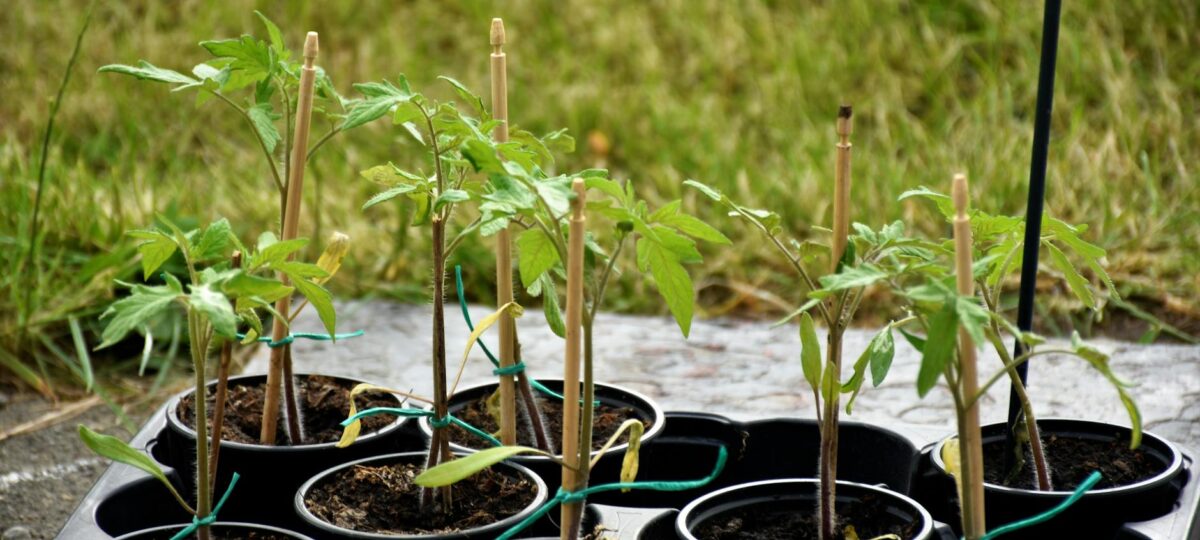
Tomatoes: Sow at 0.5cm depth on a warm, bright windowsill or in a heated propagator. Germination takes 7–14 days at 18–21°C. Cherry varieties are most reliable for British conditions (see tomato seeds on Amazon). Gardener’s Delight is a reliable first choice — productive, sweet, and forgiving in a mediocre summer.
Peppers and chillies: Slower to germinate (14–21 days) and need consistent warmth. A heated propagator is genuinely helpful. Chillies benefit from an earlier start in January or February, but March is fine for sweet peppers. Keep soil moist but not wet.
Aubergines: Similar to peppers — sow at 0.5cm, need 20–25°C, take 2–3 weeks to germinate. Worth starting in March rather than April on a UK plot.
Leeks: Sow at 1cm depth. Hardy and reliable once germinated, slow to develop — the early start pays off at harvest time.
Celery and celeriac: Tiny seeds that need light to germinate — sow on the surface, barely covered. Fussy but rewarding. Keep consistently moist.
Sweet peas: If you didn’t sow them in autumn, March is the last good window for long-stemmed flowers this summer. Use root trainers or deep pots for their long roots, and pinch out the growing tips once the plants have three or four pairs of leaves to make them bushier.
What to sow directly outdoors in March
Broad beans: Sow 5cm deep. Cold-tolerant and can go in from early March (you can find vegetable seeds at T&M). On an exposed, windy plot, sowing in modules helps prevent wind-rock on young plants — they go out as sturdy plugs rather than fragile seedlings.
Peas: Sow 2–3cm deep. Early varieties go in from March; they need support as they grow. Mange tout and snap peas are particularly reliable on UK plots.
Spinach: Sow 1–2cm deep. Prefers cooler conditions and bolts less if sown in spring rather than summer.
Lettuce and salad leaves: Sow 0.5cm deep. Succession sow every two to three weeks for continuous harvests — this single habit transforms salad growing from a glut-or-nothing situation into a reliable weekly harvest.
Radishes: Sow 1–2cm deep. Ready in 4 weeks. The ultimate confidence crop — fast, reliable, and encouraging.
Spring onions and parsnips: Both go in from early to mid-March. Parsnips are slow (14–21 days to germinate) but once established are very reliable. Sow when soil is workable.
What to sow indoors in April
Courgettes and squash: Sow 2cm deep in individual pots. Germination is quick (7–10 days) and seedlings grow fast — don’t sow too early or you’ll have oversized plants waiting indoors. Mid to late April for planting out in May.
Cucumbers: Sow 1–2cm deep in heat (20–25°C). Keep indoors until late May.
French and runner beans: Can be sown indoors in April for transplanting after the last frost, or direct outdoors in late April. Sow 2–3cm deep.
Sweetcorn: Sow 2–3cm deep in individual modules in mid-to-late April. Resents root disturbance, so modules rather than open trays.
Basil: Sow 0.5cm deep on a warm windowsill. Tender — keep indoors until late May or June. I used to grow basil alongside tomatoes in the greenhouse, and the two complement each other well.
What to sow directly outdoors in April
Beetroot: Sow 2cm deep from mid-April. Succession sow every two weeks. Reliable on chalk soil.
Carrots: Sow thinly at 1–2cm depth from mid-April in most UK locations. Don’t transplant — sow direct.
Chard and kale: Both go in from April. Hardy and productive; chard especially is generous with cut-and-come-again harvests.
Main crop peas, lettuce, fennel: If March sowings are running low, top up in April. Fennel prefers direct sowing rather than transplanting — space 30cm apart for bulb development.
Planting out in April
April isn’t only for seed. These go into the ground as sets, tubers, cloves or young plants:
Onion and shallot sets: Push them in with the tip just showing, about 10cm apart in rows 25cm apart. Birds like to pull them out, so cover them with netting or fleece for the first few weeks.
Potatoes: Get chitted first earlies in by early April if they aren’t in already, about 30cm apart and 10–15cm deep. Second earlies go in through April with a little more room between them.
Garlic: If you missed the autumn planting, cloves can still go in now, pointed end up and about 15cm apart. The bulbs will be smaller than from an autumn planting.
Brassicas: Harden off cabbage, cauliflower and broccoli started in February or March and plant them out from mid to late April, with collars against cabbage root fly and netting against pigeons.
Not yet: Late frosts can still arrive in early May, so hold these back until the frosts are over (usually mid to late May in the south, later further north): courgettes, squash and pumpkins; French and runner beans outdoors; sweetcorn; tomatoes outdoors; and aubergines and peppers, which do far better under glass in most of the UK anyway.
Flowers to sow and plant in April
Half-hardy annuals: Cosmos, zinnias and French marigolds can all be sown indoors in April, then hardened off and planted out once the frosts are over, usually late May. They grow quickly, so April is early enough.
Gladioli: Plant corms outside from April, 10–15cm deep, in groups or drifts rather than single rows. Staggering the planting over a few weeks spreads the flowering.
Dahlias: Tubers can be potted up under cover in April to get them going, then planted out once the risk of frost has passed. Choose a sunny spot with soil that drains well.
Nasturtiums: The easiest flower to grow from seed. Sow direct from mid to late April into poor, dry soil and don’t feed them: rich soil gives you leaves and few flowers. The flowers and leaves are edible.
Hardy annual mix: A packet of mixed hardy annuals (cornflower, nigella, calendula, poppy) scattered on prepared soil in April and raked in lightly gives a loose, meadow-style patch and cutting flowers from early summer, with very little attention.
Herbs: Parsley can be sown direct in late April but is slow to germinate, so give it three or four weeks before you give up on it. Dill and coriander can be sown direct too; sow a little and often, as both bolt quickly.
What to sow in May and June
By mid-May the risk of frost has usually passed in southern England and the soil has warmed to around 10°C, which opens the door to the tender crops; further north, allow a week or two longer. A useful way to think about these two months: May sowings want the longest season you can give them, while June sowings are quick enough to go in late and fill the autumn gap.
Direct outdoors in May: Runner and French beans from mid to late May, two seeds at the foot of each cane. Beetroot, carrots, spring onions, radishes and salad leaves all keep going in, a little and often. Spinach is best sown early in the month, as later sowings bolt in summer heat. Swiss chard sown now gives leaves well into autumn. Cover carrots with fine insect mesh against carrot fly.
Under cover in May: Courgettes, marrows, squash and pumpkins (one seed on its edge in a 9cm pot), sweetcorn in modules, and a batch of French beans for an early crop. Plant them out once the frosts are over. Sweetcorn goes in as a block rather than a single row, because it is wind-pollinated.
Direct outdoors in June: Keep sowing beetroot, salad leaves, spring onions and radishes. Mid-June is about the last sensible sowing of French beans, and of carrots for autumn pulling. Turnips go in now for autumn use. Pak choi and other oriental greens do better sown in June, as spring sowings tend to bolt. Florence fennel and coriander are both less likely to bolt from a late-June sowing.
Planting out in May and June: Tomatoes can go into an unheated greenhouse in early May and outdoors once the frosts are over, usually late May in the south. Peppers, chillies and aubergines crop far more reliably under glass than outside in most of the UK. Brassicas started earlier go out under fine netting against pigeons and cabbage white butterflies. Leeks are ready to move when they are about pencil thickness: drop each one into a 15cm dibbed hole and water it in without backfilling.
Sow now for winter: Winter crops are sown in late spring and early summer, which catches a lot of new growers out. Sow purple sprouting broccoli, Brussels sprouts and kale (cavolo nero or red Russian) in modules by early June, plant them out in July, and they will crop through the winter.
Sowing by space type
Matching crops to space
- Full allotment: Broad beans, peas, chard, kale and potatoes (planted not sown) as foundation crops. Add radishes and carrots for quick harvests and to fill gaps between larger plants.
- Small raised bed or garden: Cut-and-come-again salad mixes, spring onions, runner beans on a support, courgettes (one plant produces generously in a large container (see our container gardening guide for more)). Choose compact or climbing varieties to maximise space.
- Windowsill only: Tomatoes (compact varieties like Tumbling Tom), peppers, basil, spring onions, and lettuce all work well in pots on a south-facing sill. A propagator expands options significantly.
Better bought than sown
Not everything is worth raising from seed. These are quicker and more reliable bought as sets, tubers, crowns or young plants:
- Onions and shallots: sets are faster and more reliable than seed.
- Potatoes: always grown from certified seed potatoes (tubers), not true seed.
- Asparagus: crowns get you to a harvest a year sooner than seed.
- Perennial herbs: rosemary, thyme and lavender are cheaper and quicker as small plants.
Common sowing mistakes to avoid
Sowing too deep is the most common mistake. The rule: sow at a depth roughly equal to the seed’s diameter. Tiny seeds like lettuce barely need covering. Larger seeds like beans go deeper. When in doubt, sow shallowly.
Overwatering seedlings causes damping off — a fungal disease that kills seedlings at soil level overnight. Water from below (stand pots in a tray) rather than above, and let compost dry slightly between waterings.
Not hardening off before transplanting: introduce seedlings to outdoor conditions gradually over 7–10 days before planting out. On my exposed coastal plot I give them a full ten days against the shed’s south-facing wall; skipping this step sets plants back by two weeks or more.
Ignoring last frost dates: In most of England last frost is mid-May. Scotland and the north: early May or later. Don’t plant tender seedlings before your local date — the delay won’t hurt them, but a hard frost will.
Where to buy seeds in the UK
Thompson & Morgan offer an excellent range of vegetable and flower seeds, including many varieties suited to smaller UK plots and proven for UK conditions. Peter Nyssen stock quality spring bulbs and onion sets. Both are long-established UK suppliers.
Affiliate links — we may earn a small commission at no extra cost to you.
What is the easiest vegetable to sow in March?
Radishes — sow direct outdoors, ready in 4 weeks, almost failsafe. For indoor sowing, salad leaves and lettuce are equally forgiving.
Can I sow tomatoes in March?
Yes — March is ideal on a warm south-facing windowsill. They need 18–21°C to germinate. Mid-March on a good sill produces better plants than early February in poor light.
What can I sow in April without a greenhouse?
Plenty. Courgettes, squash, French beans and basil all germinate on a warm windowsill. By April, beetroot, carrots and chard can go direct outdoors in most UK locations.
What should I sow first on a new allotment?
Broad beans, peas, and onion sets — all forgiving in cool spring soil and don’t demand perfect conditions. One successful harvest does wonders for confidence.
The two-month rhythm that works
March: heat-lovers indoors, hardy things outside. April: expand outdoors rapidly, courgettes and beans started inside. Keep a succession sowing going for salad every fortnight. That rhythm, kept consistently, produces a garden that’s harvesting from May to October.
UK sowing calendar: March and April at a glance
| Crop | March (indoors) | March (outdoors) | April (indoors) | April (outdoors) | Notes |
|---|---|---|---|---|---|
| Tomatoes | ✓ Start now | ✗ | ✓ Still time | ✗ | Need heat — windowsill or propagator |
| Courgettes | Late March ✓ | ✗ | ✓ | Late April ✓ | Fast growers — don’t start too early |
| Broad beans | ✓ | ✓ Direct sow | ✓ | ✓ | Hardy — fine outdoors from March |
| Peas | ✓ | Late March ✓ | ✓ | ✓ | Sow every 3 weeks for succession |
| Beetroot | ✓ modules | Late March ✓ | ✓ | ✓ | Don’t thin too early |
| Carrots | ✗ | Late March ✓ | ✗ | ✓ | Direct sow only — resent transplanting |
| Lettuce / salad | ✓ | ✓ | ✓ | ✓ | Quickest return — harvest in 6–8 weeks |
| Basil | ✗ | ✗ | ✓ indoors | ✗ too cold | Needs warmth — April sow, June plant out |
| Sunflowers | Late March ✓ | ✗ | ✓ | Late April ✓ | Sow in toilet roll tubes |
| Beans (French/Runner) | ✗ | ✗ | ✓ indoors | Late April ✓ | Wait until soil is warm enough |
📋 From the D&L Shop: Planning your growing year? Our Your First Year on the Allotment guide covers every month from clearing the plot to your first proper harvest — written from 15+ years of UK growing experience. £9.99, instant PDF download. Also useful: the Allotment Plot Planner (£4.99) for mapping beds and planning crop rotation. Browse the full shop →
For courtyards and balconies, our seed picks for small UK gardens skips the varieties that won’t fit in a window box.
🛡 Our standards: How we research · Editorial policy · Affiliate disclosure · Corrections · Last reviewed: April 2026

About Gareth
Gareth Isherwood is the editor of Danbury & Lovejoy. He has baked bread at home for 25+ years and has 15 years of growing experience across gardens, containers and other growing spaces, including an East Sussex allotment for the past three years. Read his full story →
Was this useful?