✉ Join the Dispatch — a calm weekly note, every Thursday. Free.
The loaf tin is the least glamorous thing in a baker’s cupboard and one of the most important. Get the right one and it turns out loaf after loaf, cleanly, for twenty years; get the wrong one and it warps in the oven, sticks on the crust and bakes one side darker than the other. This is our pick of the best loaf tins you can buy in the UK in 2026, from an everyday tin to a buy-once anodised pan — and the honest advice on gauge, coating and size that decides which is right for you.
I’ve been baking bread at home for twenty-five years, and in that time I’ve bought, greased, scrubbed, warped and worn out a fair few loaf tins. What it comes down to is simpler than the listings make it look: get the size right (a 2lb tin for a standard British loaf), buy enough gauge that it won’t buckle, and then decide between easy-release non-stick and buy-it-for-life anodised aluminium. Everything below is organised around exactly that choice. If you’re baking your first loaves, our guide to starting bread is the companion to this one.
The best loaf tins UK 2026, at a glance
| Loaf tin | Best for | Size | Rough price |
|---|---|---|---|
| MasterClass Non-Stick | Best overall | 2lb | Check price |
| Prochef Heavy-Gauge | Best budget | 2lb | £7.10 |
| Tala Performance | Best non-stick release | 2lb | £7.80 |
| Mermaid Anodised (Made in England) | Best buy-it-for-life | 1lb* | £25.99 |
| MasterClass Crusty Bake (perforated) | Best for crusty loaves & sourdough | 2lb | £10.34 |
| JMIATRY Pullman (lidded) | Best for square sandwich loaves | 2.2lb | £24.99 |
subject to change
Product prices and availability are accurate as of the date/time indicated and are subject to change. Any price and availability information displayed on Amazon.co.uk at the time of purchase will apply to the purchase of this product.The tin to buy for nearly everyone is the MasterClass 2lb. It’s the right size, the gauge is heavy enough that it won’t twist in a hot oven, the non-stick releases cleanly, and it’s well priced. Buy the cheaper Prochef if you’re kitting out a first kitchen; step up to anodised aluminium if you bake often enough to want a tin that outlives the oven.
The picks
Best overall
MasterClass 2lb Non-Stick

MasterClass 2lb Non-Stick Loaf Tin
This is the tin I’d tell almost anyone to buy first. It’s the standard 2lb size that British recipes are written for, made from 1mm carbon steel — heavy enough that it holds its shape through years of hot ovens rather than warping like the thin pressed tins do — with a PFOA-free non-stick that releases a loaf cleanly. It’s the unshowy, right answer: correct size, sound build, dependable release. Unless you have a specific reason to go budget, premium or specialist below, this is the one to get and forget.
Best budget
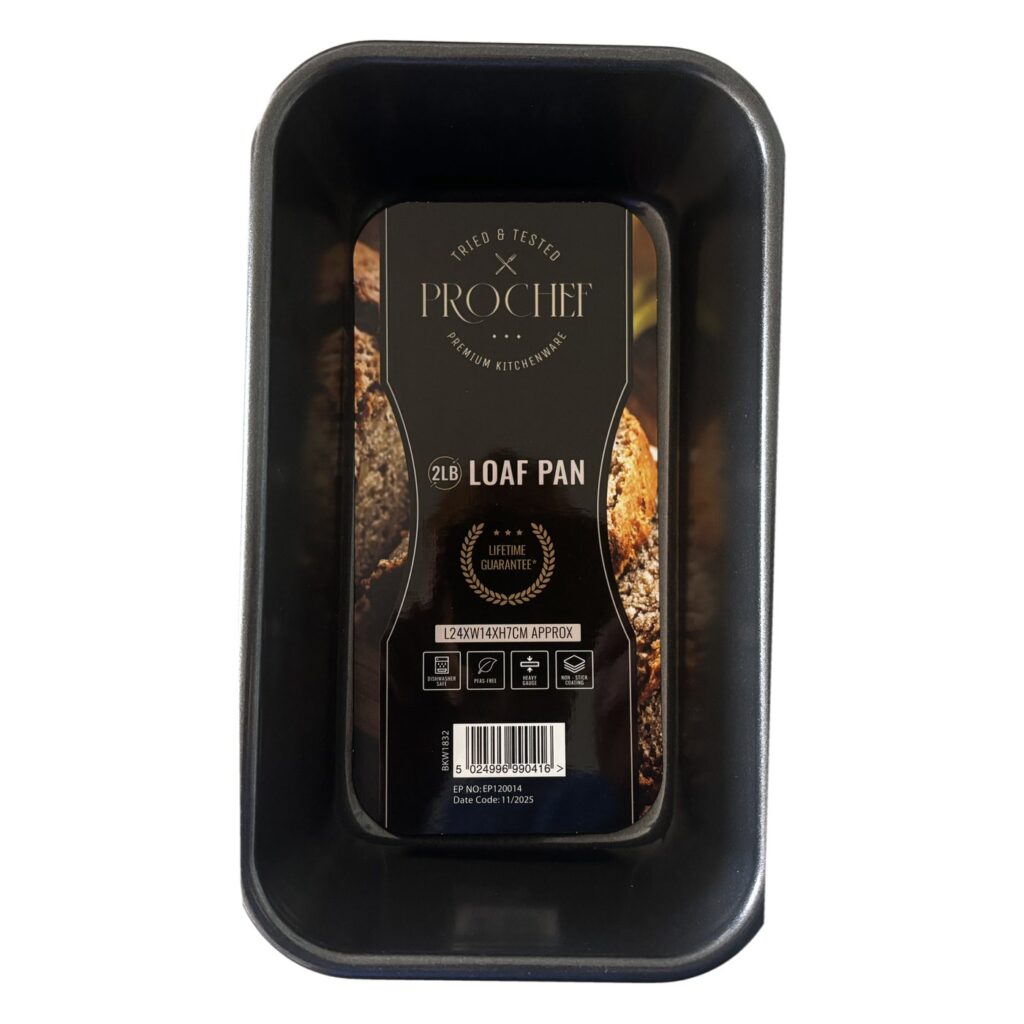
Prochef 2lb Heavy-Gauge

Prochef 2lb Non-Stick Loaf Pan
The Prochef is the surprise of this list: a full 2lb tin in genuinely heavy-gauge carbon steel with a modern PFAS-free coating, for well under a tenner. There’s no meaningful compromise for the price — the gauge is there, the capacity is right, the release is good. It’s the tin to buy if you’re setting up a first kitchen, need a second tin so you can bake two loaves at once, or simply don’t want to spend more than you have to. Excellent value with nothing obviously given up.
Best non-stick release
Tala Performance 2lb

Tala Performance 2lb Loaf Pan
Tala is a heritage British bakeware name, and the Performance loaf pan is its everyday workhorse: professional-gauge steel with Tala’s Eclipse non-stick, which gives a particularly clean release loaf after loaf. If your priority is enriched or sticky doughs — brioche, fruit loaves, a sugary tea bread — that turn a lesser coating into a scrubbing job, this is the one to reach for. It sits neatly between the budget Prochef and the premium anodised tins: a bit more coating quality and brand pedigree for a couple of pounds more.
Best buy-it-for-life
Mermaid Anodised, Made in England

Mermaid 1lb Anodised Aluminium Loaf Tin
If you bake weekly, this is the philosophy shift worth making. The Mermaid is thick 2mm anodised aluminium, hand-finished in England by Samuel Groves — no coating to peel or blister, superb even heat conduction, and it develops a natural non-stick patina the more you use it. This is the loaf tin a serious baker keeps for decades; treated right, it genuinely outlives the coated tins several times over, which makes it the frugal choice long-term. One honest note: this listing is the 1lb size (perfect for smaller loaves and gifting) — the 2lb Mermaid exists but its stock comes and goes, so if you want the standard size in anodised, check availability or look at Silverwood’s equivalent. For the tin itself, nothing here is built to last like it.
Best for crusty loaves & sourdough
MasterClass Crusty Bake (perforated)

MasterClass Crusty Bake Perforated Loaf Tin
For an open, crackly-crusted tin loaf — a sourdough baked in a tin, a crusty white — the perforated base earns its place. The holes let steam escape and let heat reach the sides and bottom directly, so the crust crisps all the way round rather than staying pale and soft where the loaf sits against solid metal. It’s the same sound MasterClass build as our top pick, just engineered for crust. If you like your loaves with a proper bite to the outside, this is the specialist tin worth adding to the standard one.
Best for square sandwich loaves
JMIATRY Pullman (lidded)

JMIATRY Pullman Loaf Tin with Lid (2.2lb)
A Pullman tin has a sliding lid, and that lid does something no open tin can: it constrains the loaf as it rises so it bakes into a neat, flat-topped, square block with a fine, even crumb — the classic pain de mie or perfect sandwich loaf, every slice the same size, no domed top to waste. This 1000g/2.2lb aluminised-alloy version is non-stick and well-priced. It’s a specialist buy — you want it specifically for tidy sandwich bread or for loaves you’ll slice thin and evenly — but for that job nothing else will do.
How to choose a loaf tin: size, gauge and coating
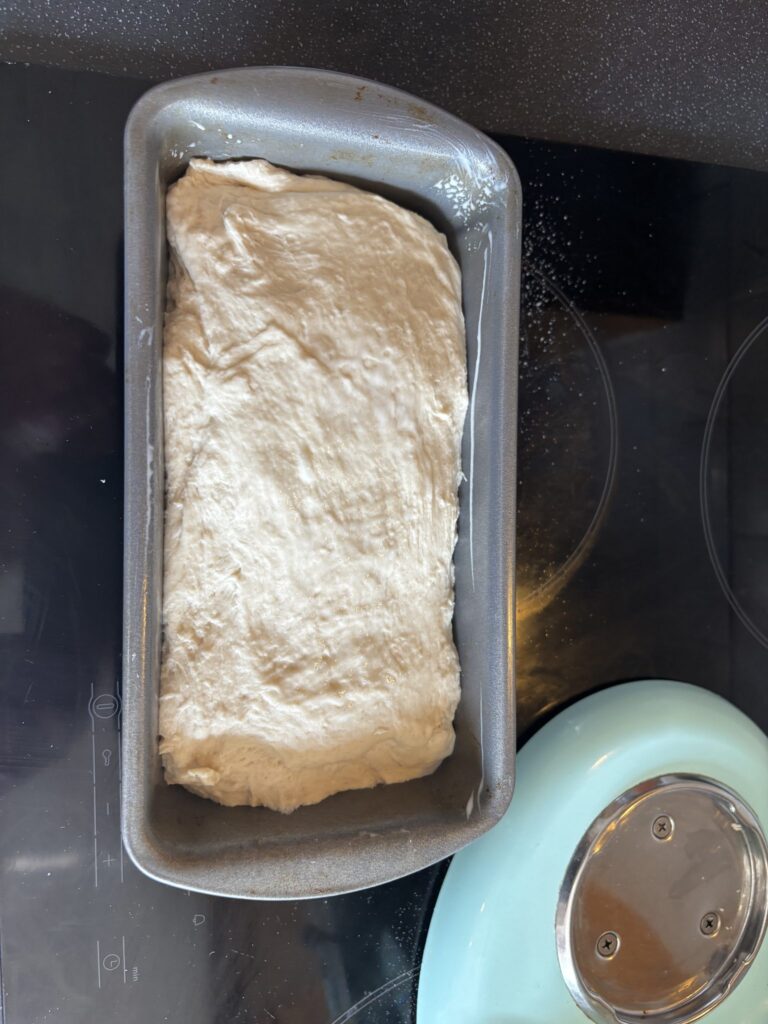
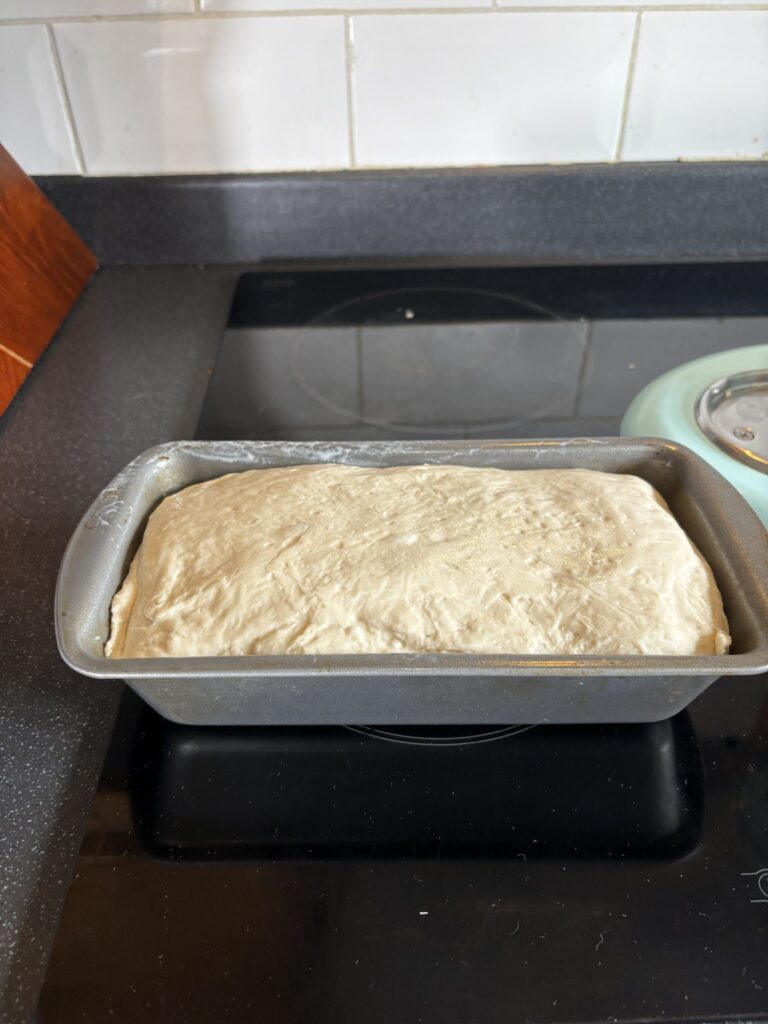
Three things decide whether a loaf tin serves you well for years. In order:
- Size. The 2lb tin (about 900g of dough, roughly 21.5 x 11.5 x 7cm) is the UK standard, and the size nearly every British loaf and cake recipe assumes — own this first. Keep a 1lb for smaller loaves, gifting and half-batches.
- Gauge. Heavier metal conducts heat evenly and won’t warp. Look for 1mm+ carbon steel or 2mm anodised aluminium; the thin, light pressed tins twist in a hot oven and bake unevenly. Gauge matters more than looks or brand.
- Coating philosophy. Coated non-stick (MasterClass, Tala, Prochef) is easy release and low fuss, but no coating is truly forever. Anodised or uncoated aluminium (Mermaid, Silverwood) never peels, builds a natural patina and lasts a lifetime — the better long-term choice for anyone baking weekly.
Two more honest notes. Even a ‘non-stick’ tin benefits from a light grease or a paper liner for enriched, eggy or sugary doughs. And skip silicone for yeasted bread: it’s a poor heat conductor, browns weakly, and flexes so the loaf spreads sideways rather than rising up. Silicone has its place; a good loaf isn’t it.
How we chose
These picks draw on twenty-five years of home baking alongside research — verified current UK availability and pricing, published gauges and dimensions, and the consensus of bakers and bakeware specialists — rather than a controlled test of every tin. Every loaf tin here was confirmed in stock at the time of writing. We deliberately left silicone out of the picks, despite the cheap ‘value sets’ you’ll see, because it bakes bread poorly — and an honest guide by a baker shouldn’t recommend a tin that lets you down on the one thing it’s for.
Frequently asked questions
What size loaf tin do I need, and what is a 2lb tin?
The 2lb loaf tin is the UK standard and the one to own first — it holds about 900g of dough and measures roughly 21.5 x 11.5 x 7cm, which is the size almost every British loaf and cake recipe is written for. A ‘2lb tin’ refers to that capacity. Keep a 1lb tin as well for smaller loaves, half-batches and gifting.
What’s the difference between a 2lb and a 1lb loaf tin, and which should I buy?
A 2lb tin makes a standard family-sized loaf; a 1lb tin makes a smaller loaf, about half the size, good for one or two people, gifts or trying a recipe. Buy the 2lb first because it matches most recipes; add a 1lb when you want smaller bakes. If a recipe gives dough weight, match it to the tin: ~900g suits a 2lb, ~450g a 1lb.
Do I need to grease a non-stick loaf tin?
For plain bread, a good non-stick tin usually releases cleanly with no greasing. But for enriched, eggy or sugary doughs — brioche, fruit or tea loaves — a light grease or a paper liner is worth it, because sugar and egg stick even to non-stick. It also protects the coating and extends the tin’s life. With anodised or uncoated aluminium, always grease or line.
What’s the best loaf tin for sourdough and crusty loaves?
For a crusty tin loaf or a tin-baked sourdough, a perforated loaf tin is ideal: the holes let heat reach the sides and base directly and let steam escape, so the crust crisps all the way round rather than staying soft where the loaf meets solid metal. Heavy anodised aluminium also gives a good crust through even, strong heat conduction.
Silicone vs metal loaf tins: which bakes better bread?
Metal, clearly, for yeasted bread. Silicone is a poor heat conductor, so it browns the crust weakly, and it flexes, so the loaf spreads sideways instead of rising up into a good shape. Silicone can be convenient for some cakes and for easy release, but for bread a heavy metal or anodised tin bakes a far better loaf.
Which loaf tin should you buy?
For most home bakers, the MasterClass 2lb non-stick is the one to get — the right size, a sound heavy gauge and clean release. Setting up a first kitchen, the Prochef does the same job for less; baking weekly, step up to the buy-it-for-life Mermaid anodised. For crustier loaves add the perforated MasterClass, and for neat square sandwich bread the Pullman. Buy on size and gauge first, decide coated-versus-anodised by how often you bake — and whatever you choose, leave the silicone for the cakes.
To fill the tin, our guide to starting bread and best bread makers round-up are next door; for the sweet side of the oven, see the best cake tins, baking trays and mixing bowls.
If a machine does your everyday loaf, the Russell Hobbs breadmaker recipes are built around the same 2lb sandwich loaf these tins are sized for.
— Gareth
Was this useful?