
Some of the links below are affiliate links: if you buy through them we may earn a small commission at no extra cost to you. As an Amazon Associate I earn from qualifying purchases. We only suggest things we would recommend to a friend — see our affiliate disclosure and how we research.
✉ Join the Dispatch — a calm weekly note, every Thursday. Free.
📅 Warm-weather visit? This is our cold-season guide. For staying comfortable in summer, see our keeping-cool guide.
Keep Warm for Less (UK)
Home Comfort · Warmth & Practical Living
This page may contain affiliate links. Danbury & Lovejoy may earn a small commission if you buy through them — at no extra cost to you. We only recommend things we consider genuinely useful.
Danbury & Lovejoy • House & Home
Warmer rooms, lower bills, calmer routines — practical UK-first steps for draughty houses, damp corners, and winter laundry.
Jump to
Quick Picks
If you want the fastest wins, start here — each button takes you to a focused UK guide (and the simplest “best-for-most” options).
UK house note: If your home is often cold and clammy, tackling humidity (laundry, ventilation, dehumidifying) can make the same temperature feel warmer.
Start here
Today (15 minutes)
- Shut internal doors; heat fewer rooms on purpose.
- Hang a thick curtain/throw over the coldest draughty spot (temporary fix).
- Check humidity: if windows are wet most mornings, prioritise drying the air.
This weekend (1–2 hours)
- Draught-proof the obvious gaps (doors, letterbox, sash windows).
- Add a “laundry plan” so drying doesn’t chill the house.
- Set one simple heating routine you’ll actually keep.
This month (steady savings)
- Choose one “heat the person” upgrade (throw/blanket/foot warmer).
- Reduce damp properly (ventilation + dehumidifying + habits).
- Improve control: timers, TRVs, zoning, and sensible set points.
Browse by topic
Most UK homes don’t need perfection — they need a few repeatable habits, the right small upgrades, and a plan for damp + laundry. Pick the section that matches your problem.
Cut draughts + keep heat in
Victorian terraces, 1930s semis, and rental flats often leak warmth through the same handful of gaps. Fixing the obvious ones can make your current heating feel stronger.
Dry the air (damp, condensation, mould)
Cold air + moisture = that bone-deep chill. If your windows stream in the morning, you’ll often feel warmer when the air is drier — even at the same thermostat setting.
Laundry indoors without the chill
Indoor drying adds litres of water to the air. The trick is a tight system: one room, contained moisture, faster dry time — and no damp smell drifting into bedding.
Heat the person (not the whole house)
If you’re home in the day, this is where comfort meets common sense: targeted warmth you can feel immediately, without heating every corner.
Quick upgrade
Measure comfort, not guess it
A small thermometer/hygrometer helps you spot the “cold + damp” combo that makes rooms feel miserable — and track what actually works.
Cheap comfort food that warms the house
Cooking once, eating twice, and using gentle residual warmth is the quiet superpower of winter kitchens. Think: soups, one-pots, traybakes, and slow cooker staples.
Renters + temporary fixes
No drilling, no drama: small changes that reduce draughts, keep heat where you are, and stop laundry from turning your flat into a damp box.
Bedroom warmth (sleep, sheets, and the morning chill)
Warm sleep is layered sleep: the right duvet, breathable warmth, and a plan for that first five minutes after you get out of bed.
Choose the right option
Use these rules of thumb to avoid buying the wrong fix for the wrong problem.
- If the room feels cold and clammy (and windows are wet): prioritise drying the air (dehumidifier + contained laundry + ventilation).
- If the room feels cold and draughty (you can feel moving air): start with draught-proofing (door gaps, letterbox, window seals) before turning the heating up.
- If you dry laundry indoors most days: a heated airer plus dehumidifier in the same room often gives the best comfort-per-pound.
- If you’re home during the day: “heat the person” options (electric throw/blanket, warm feet strategy) can reduce the urge to heat the whole house.
- If your bills spike with stop-start heating: aim for steady routines (timers, TRVs, sensible setpoints) rather than occasional blasts.
- If you’re unsure: measure temperature + humidity for a week — then adjust one thing at a time.
Danbury Dispatch
A calm weekly note for warmer homes
Get one practical idea each week — keeping warm for less, drying the air without freezing, and easy comfort food that makes winter feel manageable.
- Keep warm for less (UK-first)
- Weeknight comfort food
- Seasonal home & garden ideas
No spam. Unsubscribe anytime.
Seasonal swaps (UK)
Nov–Mar: deep winter
- Contain laundry moisture (one room, door shut).
- Draught-proof first; then fine-tune heating.
- Make “heat the person” part of the daily routine.
Shoulder season
- Humidity is often the culprit — keep an eye on it.
- Use short, steady heating bursts instead of big swings.
- Air bedding and soft furnishings on dry days.
Rainy-weekend kit
- One-pot dinner + kettle on + warm socks.
- Dry laundry faster (and keep air moving).
- Five-minute reset: doors shut, throws out, lamps on.
FAQs
Is it cheaper to keep the heating on low all day in the UK?
Often, the most comfortable and cost-effective approach is a steady routine that suits your home and schedule — not all-day heating by default. If your house loses heat quickly, short steady periods can feel warmer than stop-start “blasts”.
Why does my home feel cold even when the thermostat says 20°C?
Humidity and draughts are common culprits. Damp air can feel chillier, and moving air strips heat from your skin. Measuring humidity and tackling draughts can make the same temperature feel noticeably warmer.
What’s the best way to dry laundry indoors without causing damp?
Use one room, keep the door shut, add airflow, and remove moisture (often with a dehumidifier). Heated airers can shorten drying time; the key is containing and extracting moisture rather than letting it drift into bedrooms and soft furnishings.
Do dehumidifiers help you feel warmer?
They can. Reducing humidity often makes rooms feel less clammy and can help your heating “go further”, especially in homes with regular indoor laundry and condensation.
What’s the first thing I should do in a draughty UK house?
Start with the biggest, easiest gaps: external doors (including letterbox), window seals, and chimney draughts (if safe/appropriate). Small fixes can noticeably improve comfort before you spend money elsewhere.
How do I know if damp is my problem?
Clues include wet windows, musty smells, cold clammy rooms, and mildew on silicone or behind furniture. A simple hygrometer reading consistently above the mid-50s/60% range is often a prompt to improve ventilation and moisture removal.
Get the checklist
A simple printable you can keep on the fridge: draughts, damp, laundry setup, and the quickest “feel warmer now” steps. (Lead magnet coming soon.)
Also useful: If you’re buying a dehumidifier or heated airer, measure your room and laundry habits first — you’ll get better results with the right size and setup.

Recommended Pick
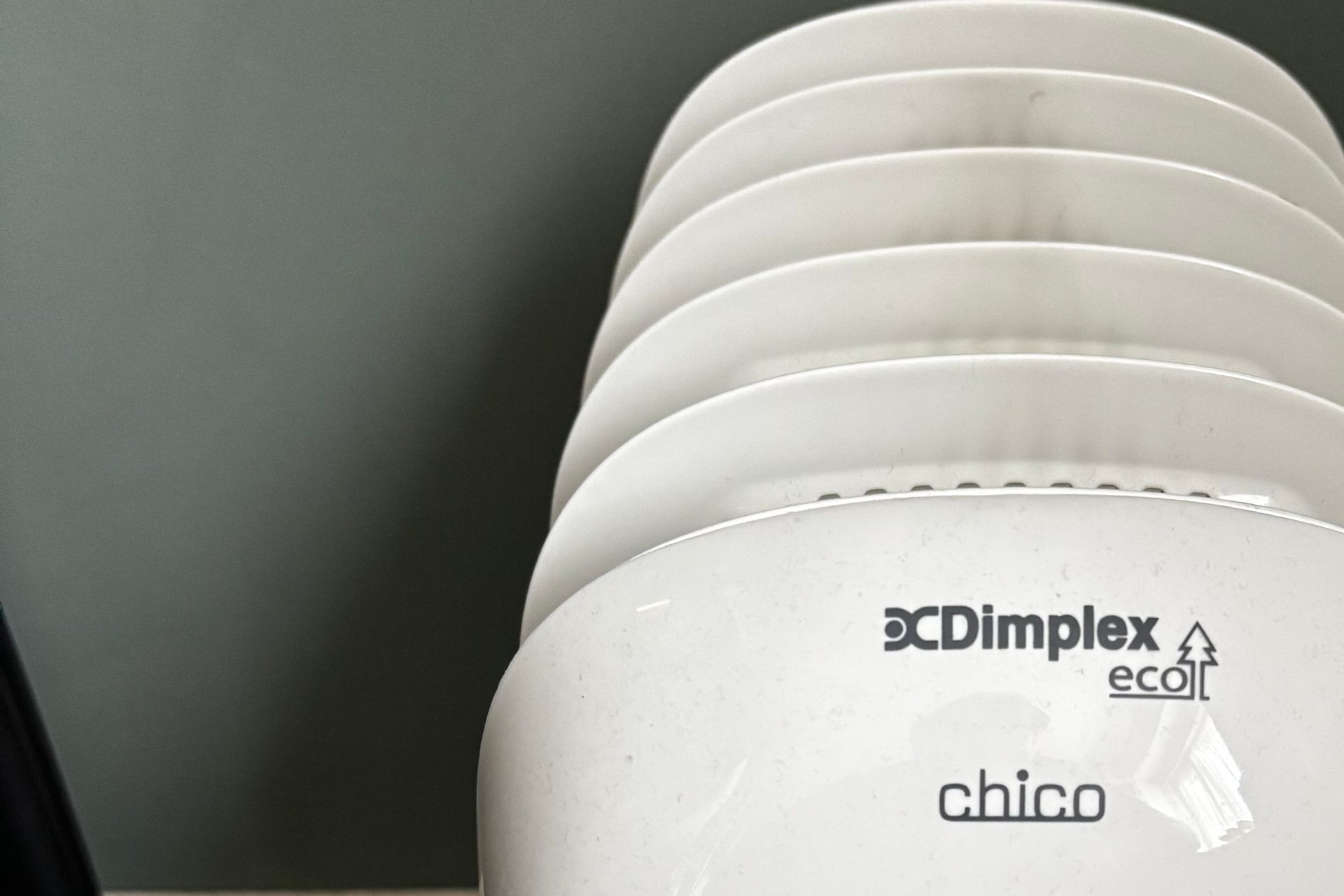
Tower 1500W Oil Filled Radiator
£39.99
9-fin radiator with 3 heat settings. Efficient and safe for bedroom use. Quieter than fan heaters.
Check price →Affiliate link — we may earn a small commission at no extra cost to you.
Browse all Home Comfort guides →